Flight Shaming
This story was published in Nikkei Asia here and Le Courrier International here.
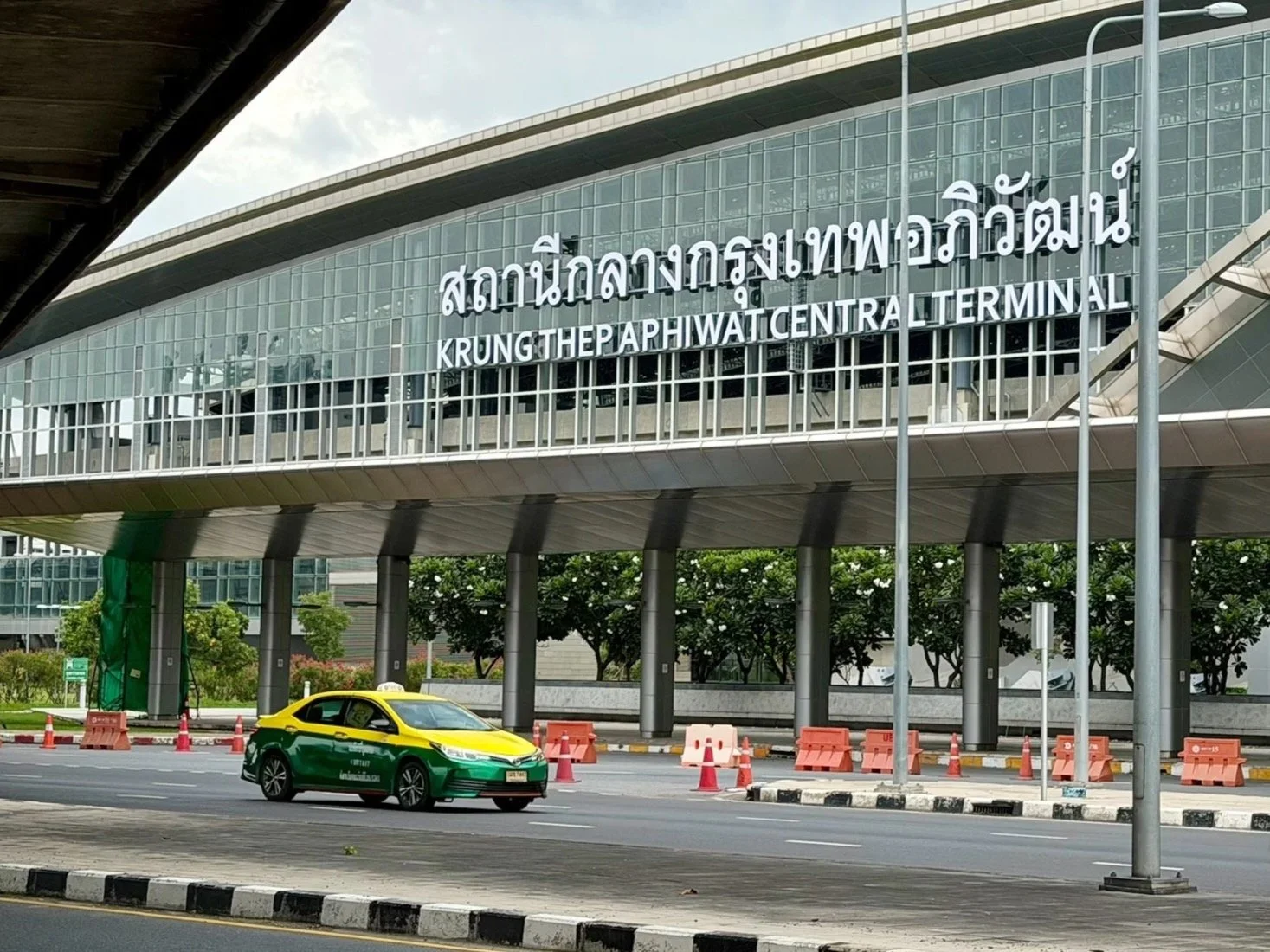
Unfortunately, the journey times displayed on the departures board at Bangkok's Krung Thep Aphiwat railway station really were correct - my first taste of flygskam was going to involve twenty-one hours in a railway carriage.
Although it might sound like a tasty Scandinavian snack, flygskam is actually Swedish for "flight shame" and is the name of a movement that calls on people to ditch travel by plane in order to help save the planet. It has had quite an impact on travel in Europe in recent years, with momentum helped by the fact that travelling by high-speed train there can mean similar or even shorter journey times compared with flying, especially once out-of-town airports and lengthy security checks are factored in.
But could it also catch on in Asia? I had decided to find out on a trip from Bangkok to Singapore, a distance of some 1,400 kilometres that would normally take two and a half hours by plane. The land-based competition wasn’t looking promising, however, as my train would only have completed a tenth of its journey by the time that plane landed. And the kicker was that, even when we did reach the terminus, a further eighteen hours later, I would still only be at Thailand’s southernmost border with Malaysia, as this is as close to Singapore as it’s possible to get on a direct service from Bangkok. Once I’d crossed over the frontier on foot, I would need to take a taxi to reach the railhead on the Malaysian side, wait eight hours, and then chug for a further sixteen all the way down the Malay Peninsula to the city of Johor Bahru. Then, finally, I’d be able to make the short hop over the narrow strait that separates Malaysia from Singapore.
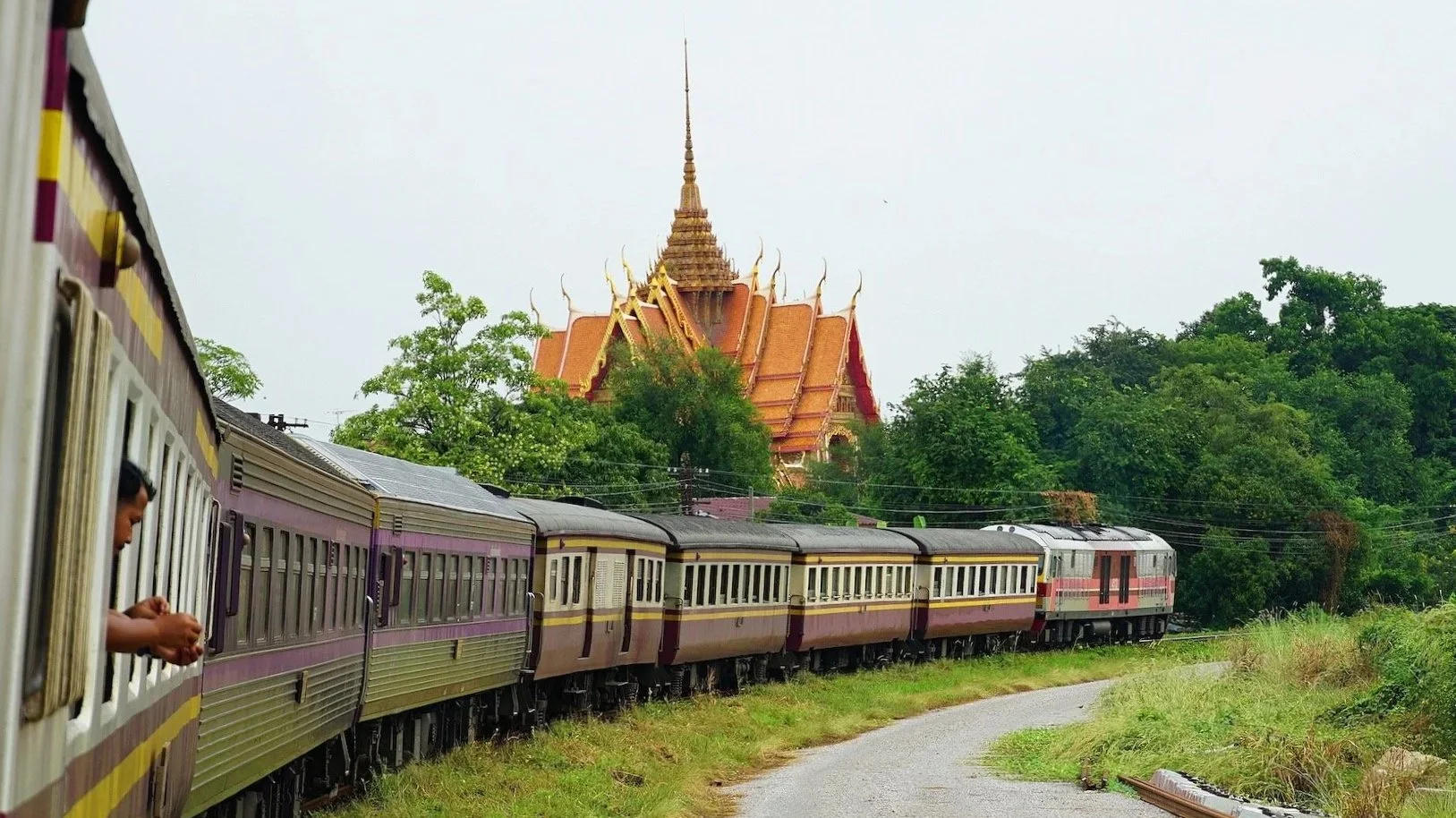
Thankfully, though, slow travel has an appeal in and of itself. One of the main attractions is that you get to really experience the landscapes and people that separate your departure and arrival points, served up as a gently rolling narrative. As I got underway, the expressways and high-rises of Bangkok gradually melted into villages and temples, then buffalo-specked rice paddies that sparkled in the afternoon sun. By the time that sun had set and then risen again the next morning, thick jungle had taken over as the backdrop and those temples had given way to elegant, onion-domed mosques.
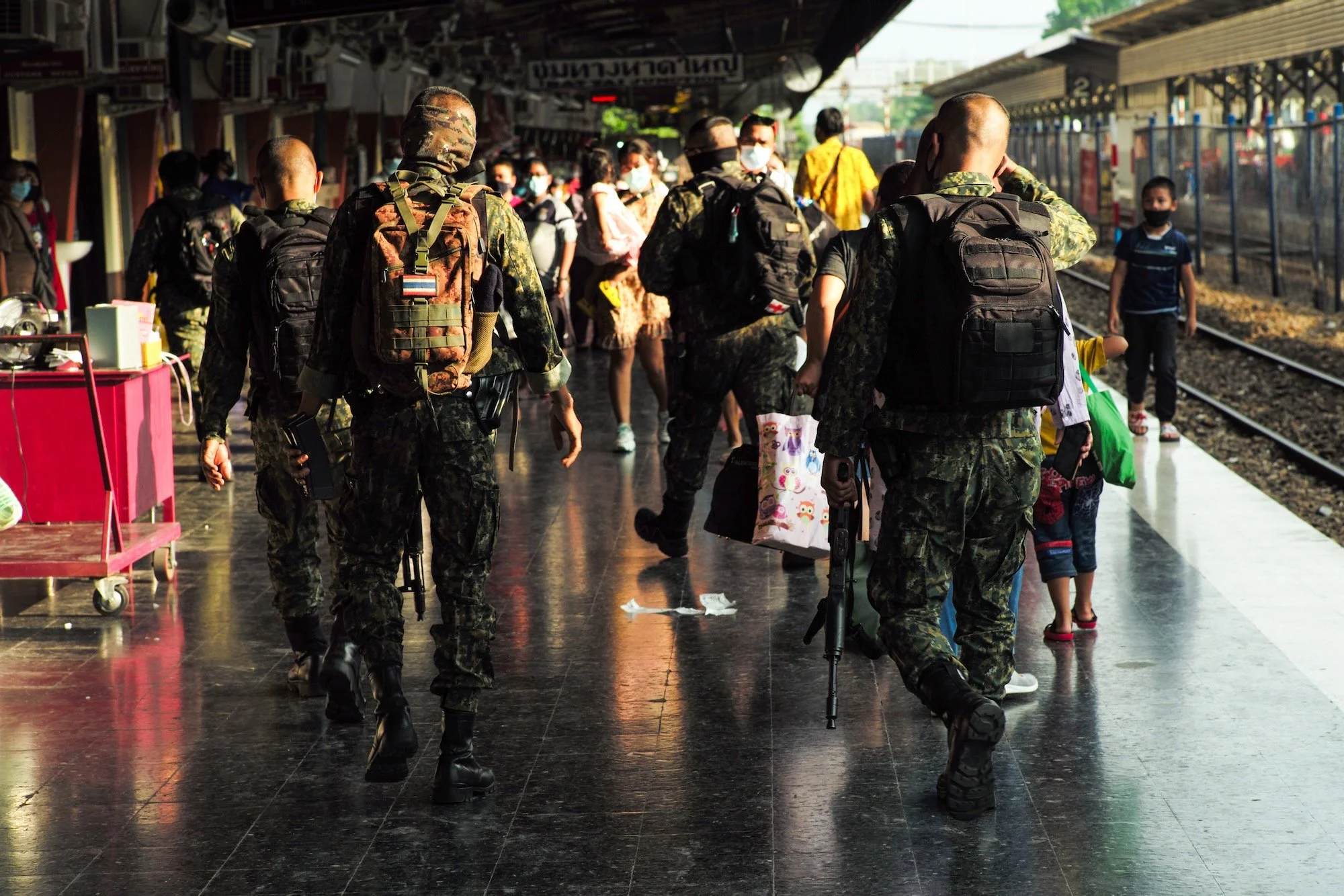
We were now clanking through Thailand’s deep south, where the majority Muslim population has long sought more autonomy from the rest of this predominantly Buddhist country. It’s a struggle that has sadly turned more violent in recent years. Only months earlier, insurgents blew up a train on this very track, and an army patrol along the line was attacked shortly before the start of my current journey. I would have been oblivious to such events at 30,000 feet, but as we arrived at Hat Yai Station, nervous-looking, heavily armed soldiers patrolled the platform. Two of them then climbed into my carriage as the whistle blew and stayed there for the rest of the journey - a very real reminder of what was going on just outside the window.
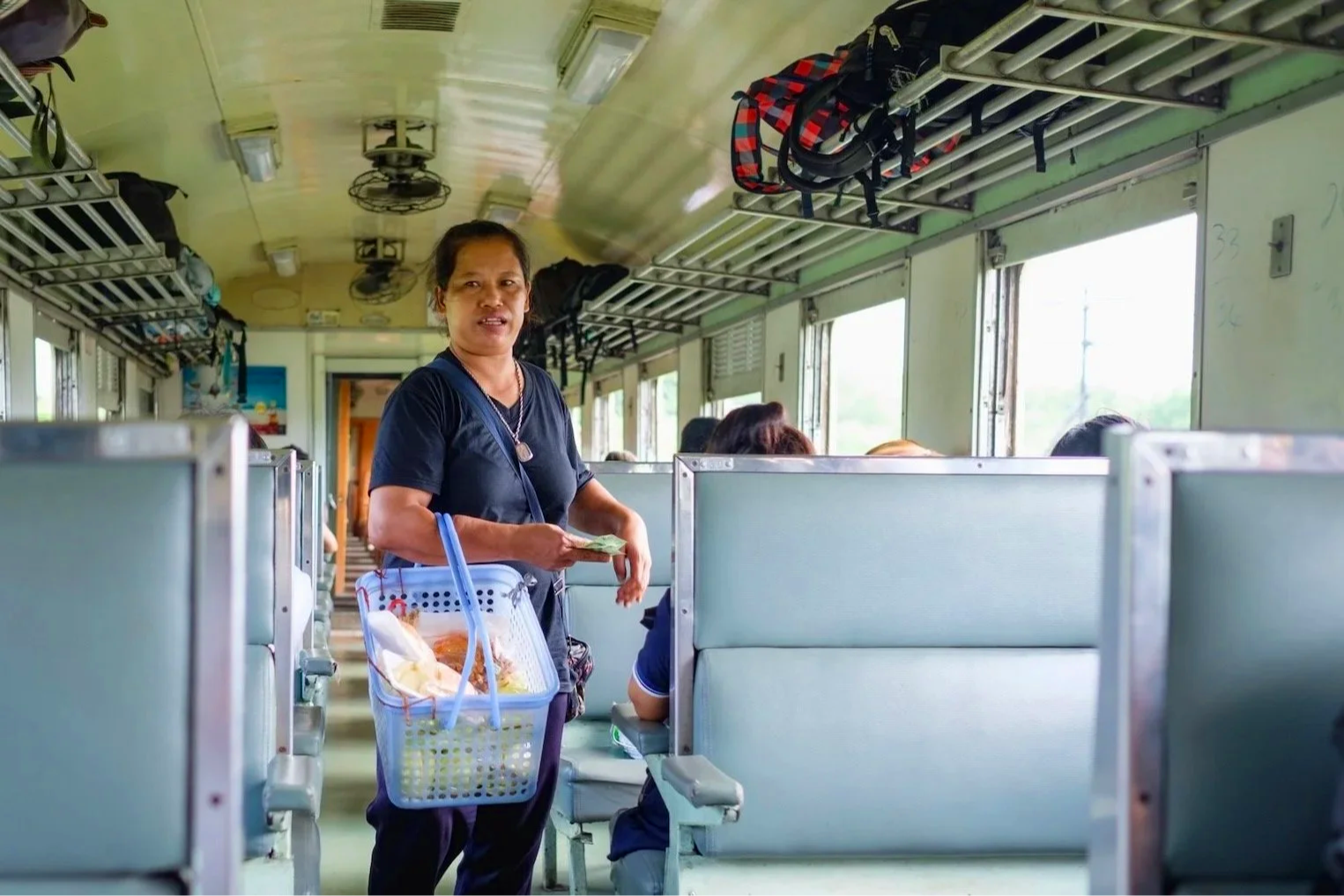
Happier cultural context also came aboard in the form of mobile buffets, as food vendors clambered on at each station to speed-hawk their area’s culinary specialities, far eclipsing anything that I could have hoped for from in-flight catering. When I eventually disembarked, crossed the border, and got myself over to the Malaysian railhead, my layover there also beat any airport lounge hands down given that it included watching a cricket match and chatting to locals over tea about everything from the recent harvest to upcoming provincial elections.
Finally aboard my next train, I returned to indulging in the guilty pleasure of voyeuristic travel. It’s something that this mode of transport in particular facilitates by the way it separates you from the outside world — you can’t just stop and get out and interact with it and vice versa. Meaning you get away with a lot more staring, consequence-free. Such insulation from the outer world also means that train tracks don’t foster development around themselves like roads do, so you pass through the kind of remote country that you would never otherwise see.
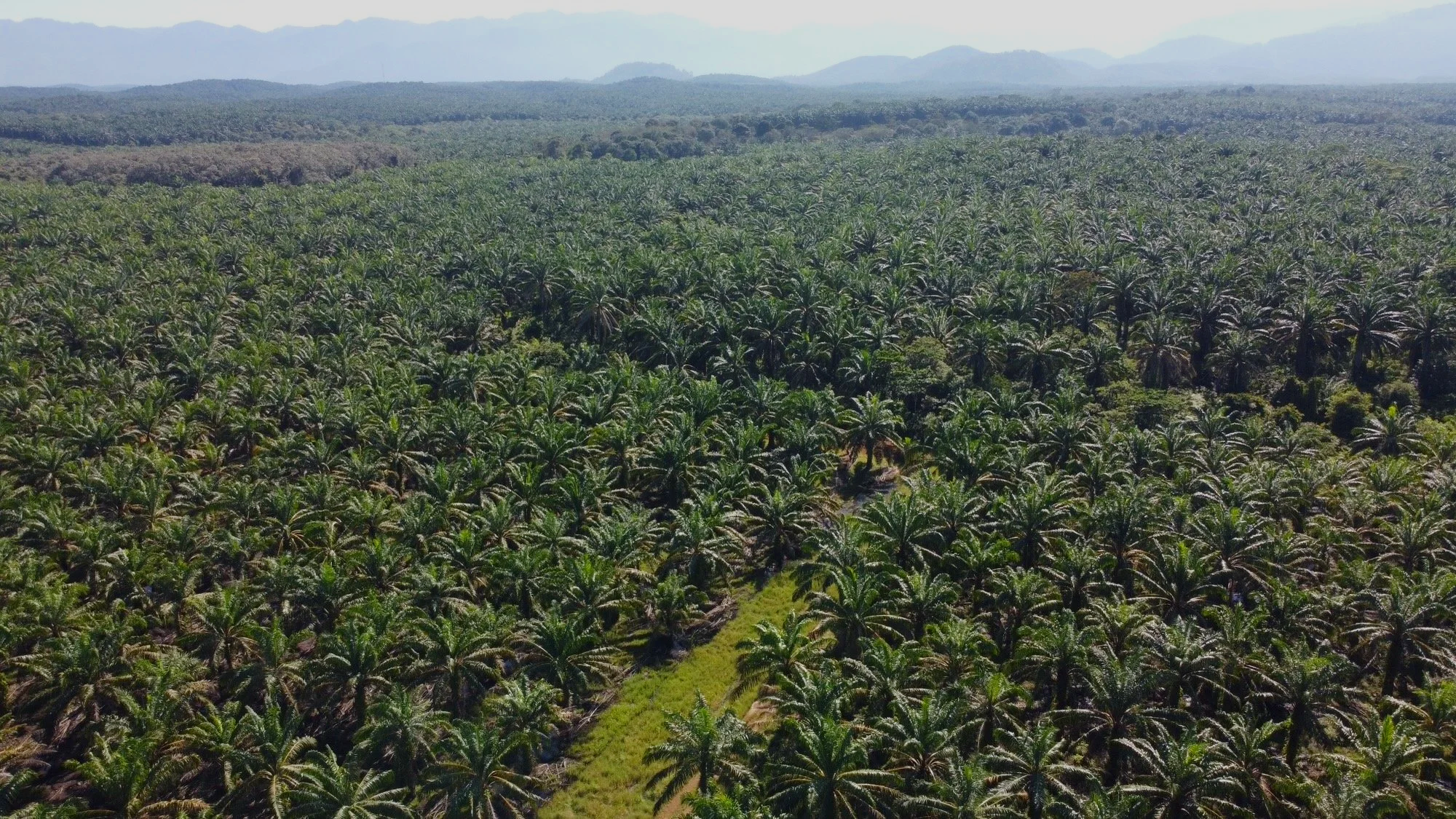
Pushing on down the length of the Malay Peninsula, I soaked up the rolling hills and laidback villages with their stilt houses and grazing livestock before we entered a seemingly endless maze of oil palm plantations. These stretched on for hours, bringing home the environmental impact of this controversial crop's cultivation in a way that no news story or statistic could ever have done.
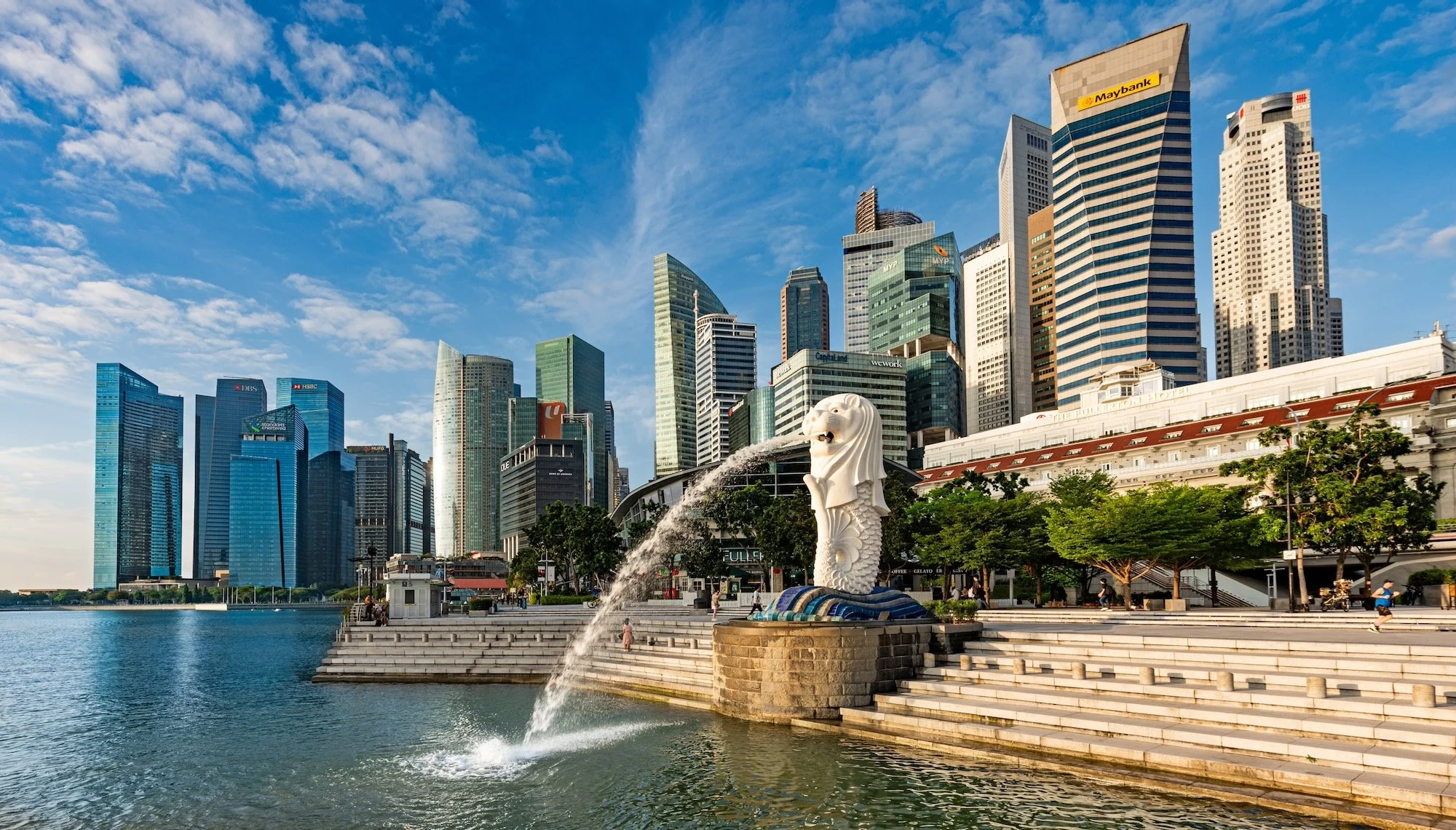
At the end of the tracks, I crossed the strait from Malaysia into Singapore, completing my odyssey. The contrast of the city-state's hyper-organisation and clinical sheen jolted my senses, proclaiming its status as the region's precocious outlier in a way it never had when I arrived by air.
Yes, it had taken two and a half days instead of two and a half hours, but I was no longer seeing the journey as a means to an end, but rather as part of the destination itself. After all, if we seek out new places because of our innate curiosity, our craving for the stimulus of something different, then why not make the journey a part of that too? It’s another reason why taking the plane can sometimes be a real shame.