Enter the Dragon

This story was published in Nikkei Asia here.
“Here Be Dragons” was a poetic turn of phrase favoured by cartographers back in the day, used to indicate that a particular area was terra incognita. But on one sixteenth-century map, of what is now Indonesia, it proved to be unwittingly accurate. Although the area in question was unexplored by Europeans at the time, it was already well known by local people, and they called it Nusa Nipa – Dragon Island.
When those Europeans did eventually arrive at its coastal villages to trade, they heard tales of fearsome beasts lurking inland, but dismissed these as mere folklore. It was only centuries later, when a curious Dutch colonial officer mounted an expedition to the interior and returned with the dead body of a Komodo dragon, that the outsiders realised the locals had been telling the truth all along.
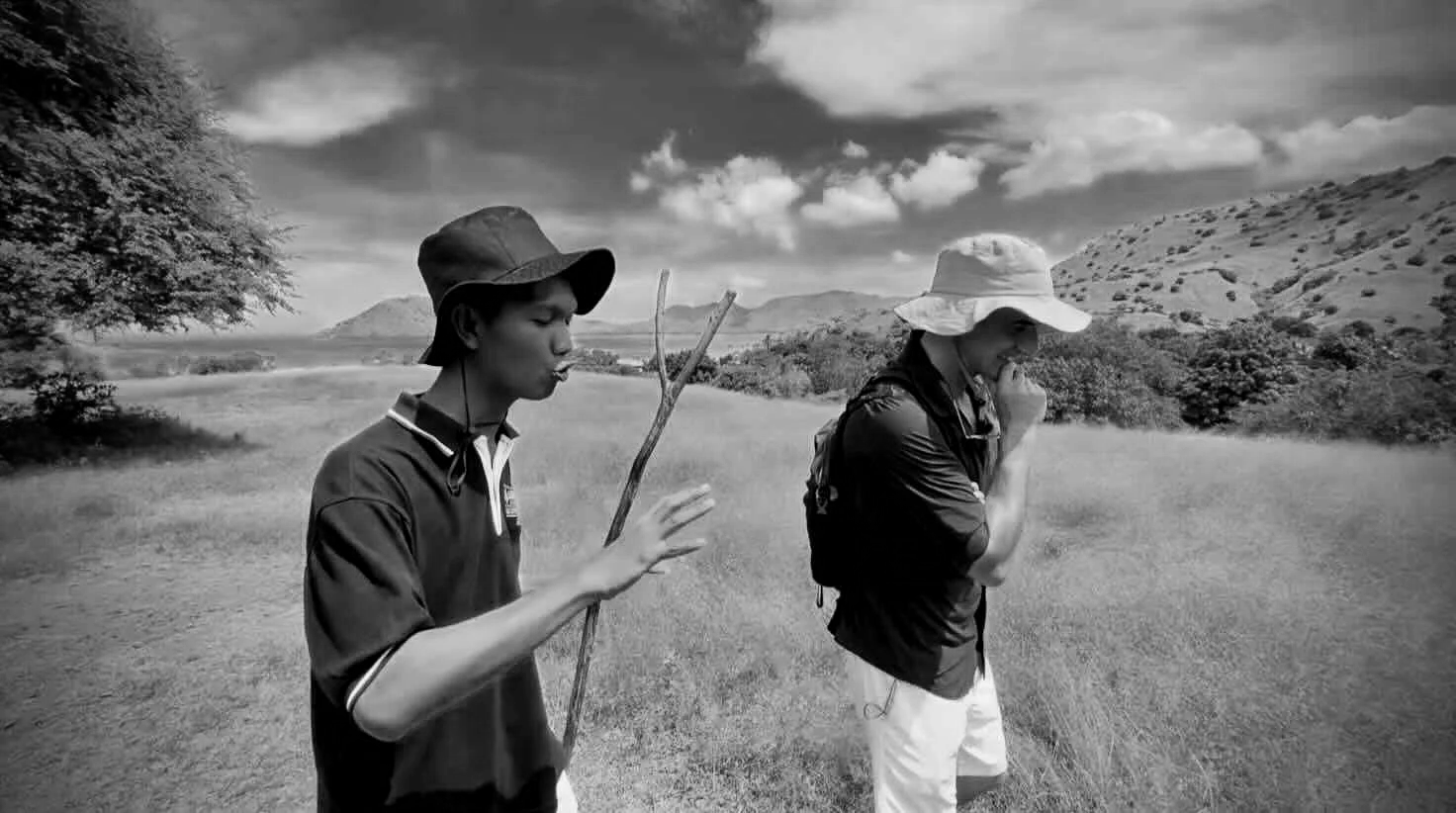
I was now on that very same island and following my guide through the brush in the searing afternoon heat. He suddenly froze and then slowly raised his forked stick to point at a nearby tree. Under it, lounging in the shade, was one of the most extraordinary creatures I had ever seen. Though strictly speaking giant lizards, the Komodos’ enormous size well justifies the dragon moniker – they can reach up to three metres in length and weigh in at over ninety kilogrammes. And while they may not breathe fire, their mouths contain something just as deadly: venom glands that allow them to take down pretty much anything they set their eyes on. That includes deer, buffalo, and even humans.
But although there have been a handful of tragic fatalities in recent years, on the whole the local community lives in harmony with the dragons. This gives a glimmer of hope for what is now an endangered species, with just a couple of thousand individuals left in the wild. It’s a glimmer that is further brightened by another remarkable biological feature of these animals. Something that the people living alongside them have long talked about but which outsiders scoffed at until its observation in a British zoo: the female dragons possess the rare capacity for parthenogenesis, the ability to produce viable eggs without first mating with a partner.

Such dismissals by foreigners of indigenous knowledge are part of an enduring global pattern. Outsiders long mocked tales of the gorilla in Africa and the panda in China until they finally saw these creatures with their own eyes. Here in Indonesia, locals had for centuries told stories of the ebu gogo, a creature said to be half-ape and half-human, standing a metre or so tall, covered in hair, and sporting long gangly arms. But, once again, foreigners derided them. Until, that is, a body showed up.
I had to drive for several hours along narrow, twisting roads through mountains and jungle to reach the site, a remote cave deep in the interior of the Indonesian island of Flores. It was here in 2003 that a joint Indonesian–Australian archaeological team came to look for evidence of early humans.
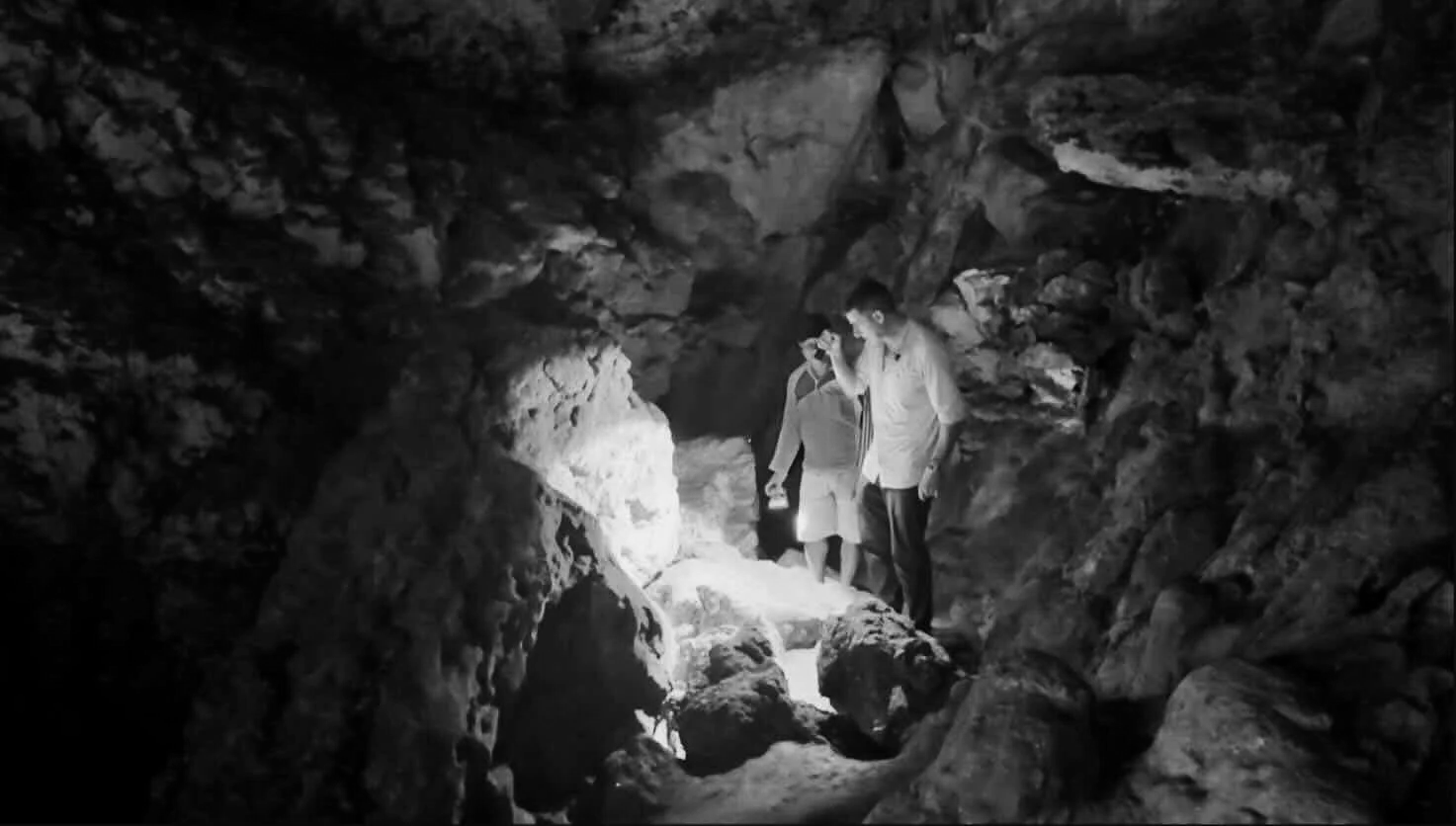
During one of their digs, they unearthed what they thought was the top of a child’s skull. But as they carefully burrowed down further to excavate it, they found it had the teeth of an adult. It turned out that what they had actually stumbled upon was the find of their lives – the skeleton of a whole new species. They went on to discover another dozen of them in the same cave.
Reconstructions suggest that the bodies these skeletons once supported would have looked something like a cross between a human and an ape and stood around a metre tall. They named the new species Homo floresiensis after the island where they were discovered, but the morphology bore a striking resemblance to those age-old stories of the ebu gogo.

The editor of the prestigious scientific journal Nature described this similarity as a wake-up call for scientists. He urged them to start taking indigenous people’s stories of supposedly mythical creatures much more seriously, recognising that they could well be founded on elements of truth, including ancestral memories of what were once very real creatures.
It is a refreshing reminder for the rest of us that humanity has not yet catalogued everything in books or on the internet. That centuries of accumulated, lived experience of nature can still offer astounding new knowledge and insights. In other words, that there’s thankfully still plenty of terra incognita left out there.