Magical Medicine?
This piece was published in Nikkei Asia here.
"If you really feel you're going to die, then just let yourself die" is not quite the advice that you expect to hear from your therapist, especially when he’s explaining the potential side effects of an upcoming treatment. But the clinic I was at had a solid reputation, so I decided to give him the benefit of the doubt.
The use of plant-based medicines to promote psychological well-being has a long history in the Asia-Pacific region, with their calming and rebalancing effects likened to those of extended meditation practice. Nevertheless, they have been subject to government bans in many places due to concerns about their potential side effects. But recent research is prompting a rethink about which substances should rightly be classified as harmful and which as helpful.
In South Korea and Thailand, for example, the use of cannabis is now permitted for treating issues such as chronic pain. Meanwhile, in Australia, MDMA and psilocybin - the compounds that put the zing into ecstasy and magic mushrooms respectively - are being prescribed for post-traumatic stress disorder and treatment-resistant depression. New Zealand recently followed suit as well, approving psilocybin for the same purpose.
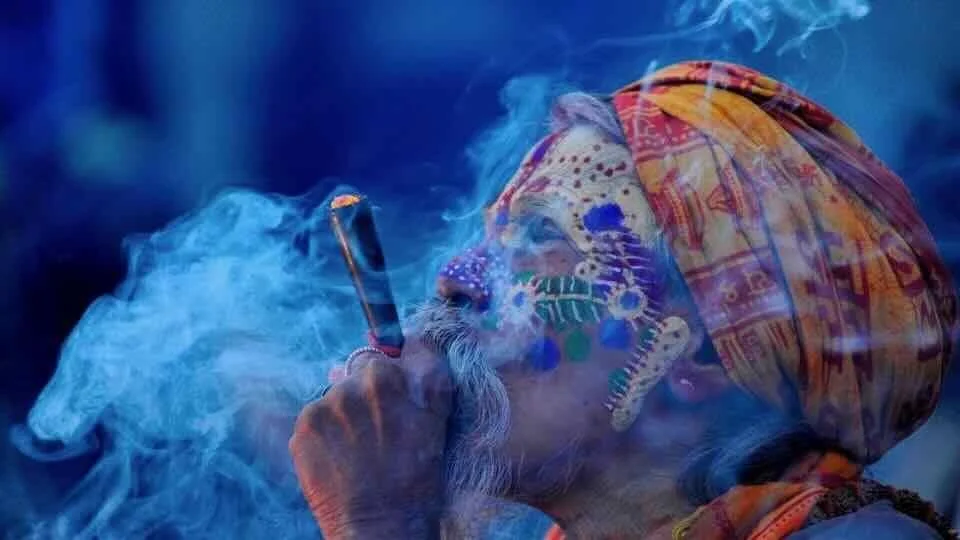
But the approach across the region remains mixed, with these same substances still strictly illegal in many places, such as Indonesia, Japan and Singapore. Other countries have instead drifted into a grey zone, tolerating their use without decriminalising them, as is the case in Nepal for example, where cannabis is just permitted for use during some specific religious festivals.
The clinic I was at now operated in just such a grey zone. While it offered psilocybin treatments, worked with local universities on researching their benefits and lobbied its government on legalisation and regulation, it also risked prosecution for dealing in what remains a controlled substance in the country concerned. I was, quite understandably, asked to refrain from divulging its location therefore.
My visit was the culmination of a tough six months following the death of my mother, a period in which I had struggled with the reality of mortality, the meaning of existence, and just getting out of bed in the morning. But I had been loath to turn to antidepressants as a solution given their reputation for dulling not only the depression but all of the other emotions too.
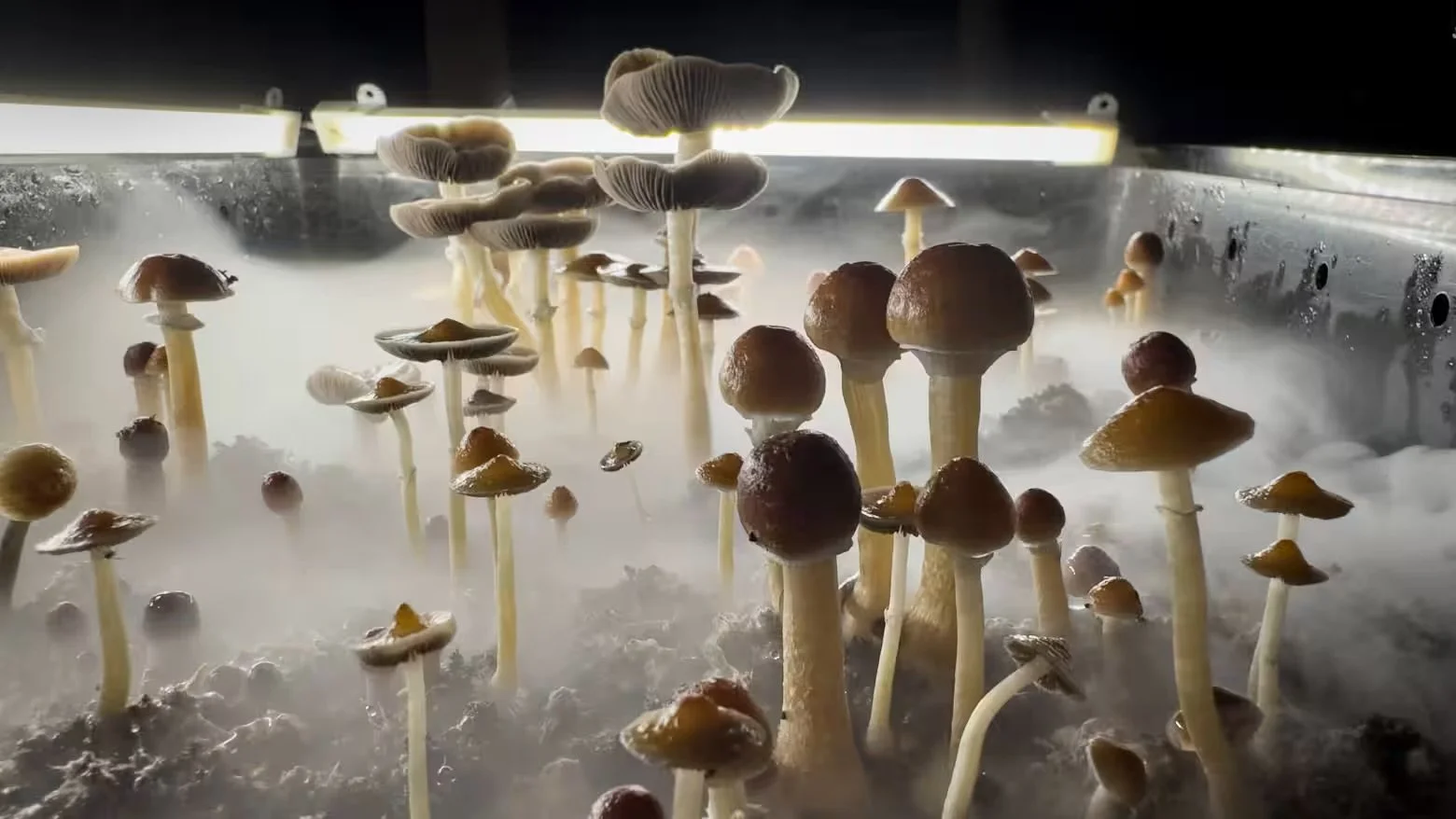
My therapist promised that this would not be the case with psilocybin. Instead, he explained, it would effectively update my mind's operating system, temporarily taking my brain's "default mode network" offline and dissolving my sense of self, plus any ego-rooted worries and fears along with it. That was where that feeling of being about to die might arise - in effect just the ego's way of protesting its temporary removal from centre stage. He described how this would allow parts of my brain that did not usually talk to each other to start doing so, which would kick off a burst of new neuron formation, fresh thinking and creativity that would far outlast the five-hour "high".
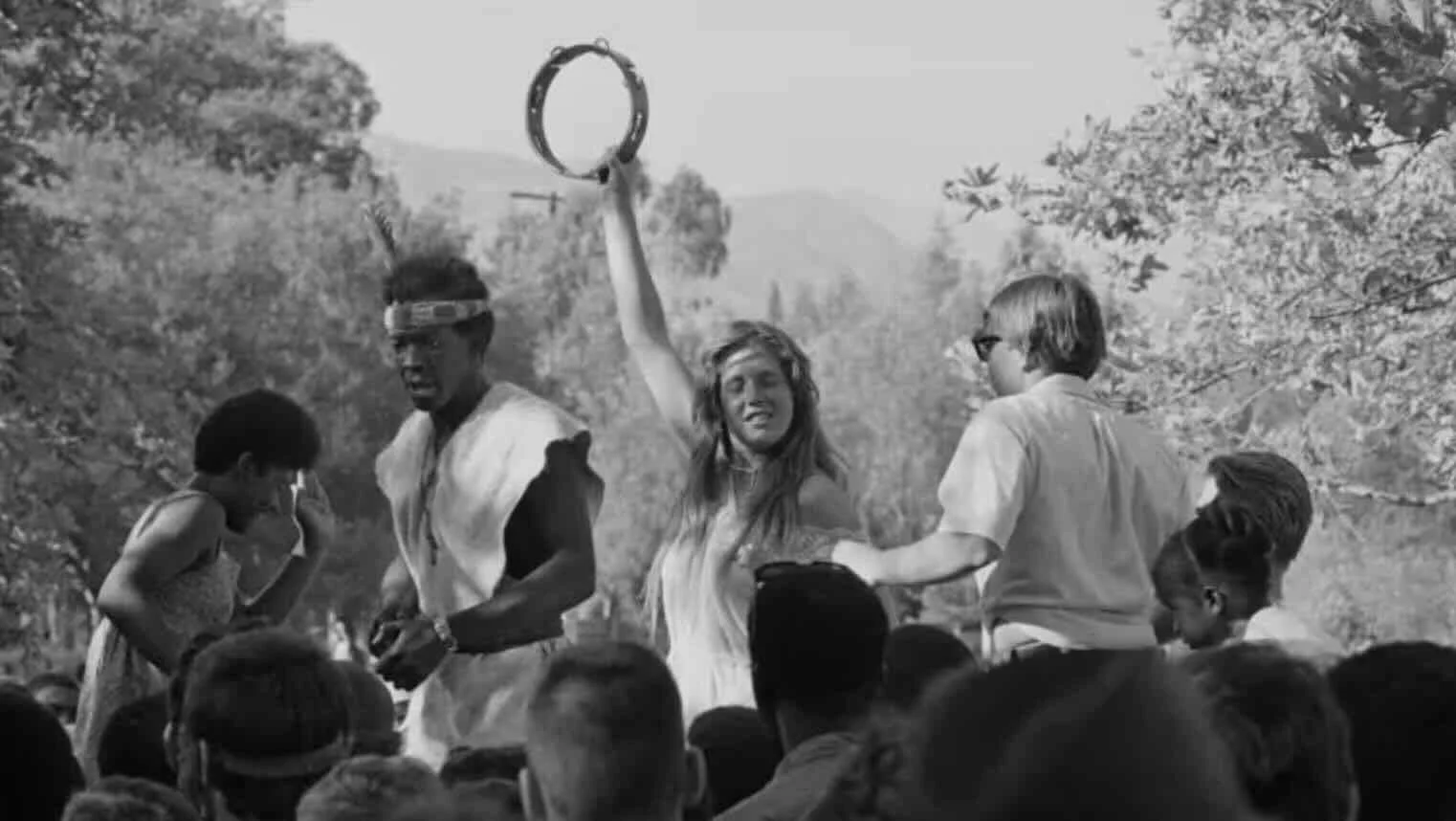
The psychological benefits of psilocybin have been recognised by indigenous groups in many parts of the world for centuries, and the compound was actually on the cusp of general acceptance and prescription usage in the 1960s after promising clinical trials. But then its association with the counterculture of the time led to an abrupt ban in the U.S. in 1970. A year later, the United Nations adopted its Convention on Psychotropic Substances which recommended that other member states follow suit, and many Asian countries swiftly did so. It is only in the last decade or so that research has restarted in earnest, and this has now reinforced those earlier findings that this really is something of a wonder drug when it comes to treating issues such as depression and trauma.
About twenty minutes after swallowing the handful of dried mushrooms, I felt my senses start to sharpen and deepen. This was followed by what I can best describe as a widening of consciousness and the dissolution of my usual worries and insecurities, accompanied by a fresh feeling of connection with something far more expansive than myself, along with a wave of calm, ease and openness. While the intensity trailed off after a few hours, I subsequently found myself stabilised at a new, lighter equilibrium that still endures as I write this many weeks later. That’s in line with the latest research that shows a single dose of psilocybin continuing to relieve depression and anxiety six months or more after administration.
There has been a remarkable change in attitudes towards mental health in the past decade, with old stigmas dissolved and a growing acceptance that this is a mainstream issue in need of attention. The value of Asian meditation and mindfulness practices has already been recognised in this regard, their efficacy proven through controlled studies. Perhaps it is now time for more governments in the region to acknowledge that modern science has also validated ancient wisdom when it comes to plant-based medicines like psilocybin. And to update their legal and regulatory systems accordingly. Moving from criminalisation to control in this way has the potential to improve the lives of millions of citizens at a single stroke, making it magical medicine indeed.