The Forgotten Frontier
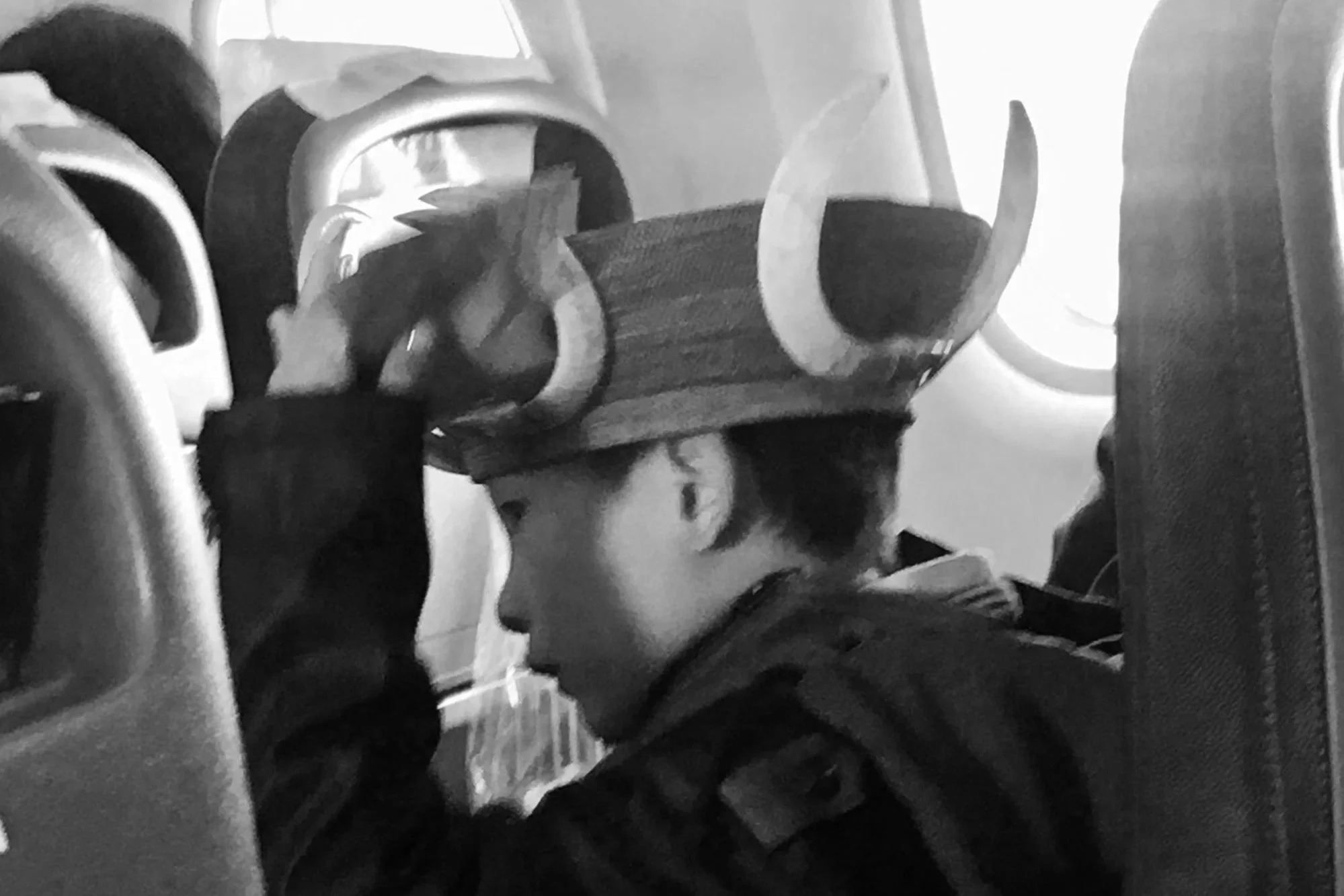
The boy’s headgear, made from bamboo and animal tusks, was a bit of a giveaway that this was no ordinary flight. As was the behaviour of the gentleman who accompanied him, clutching his boarding pass like his life depended on it, hands ensconced in woolly mittens despite the 30-degree heat outside.
Our twin-prop plane taxied across the apron, made a shaky roll down the runway, and then reluctantly launched into a bone-juddering take-off. After a slow bank over the city of Yangon, we began our long journey northwards.
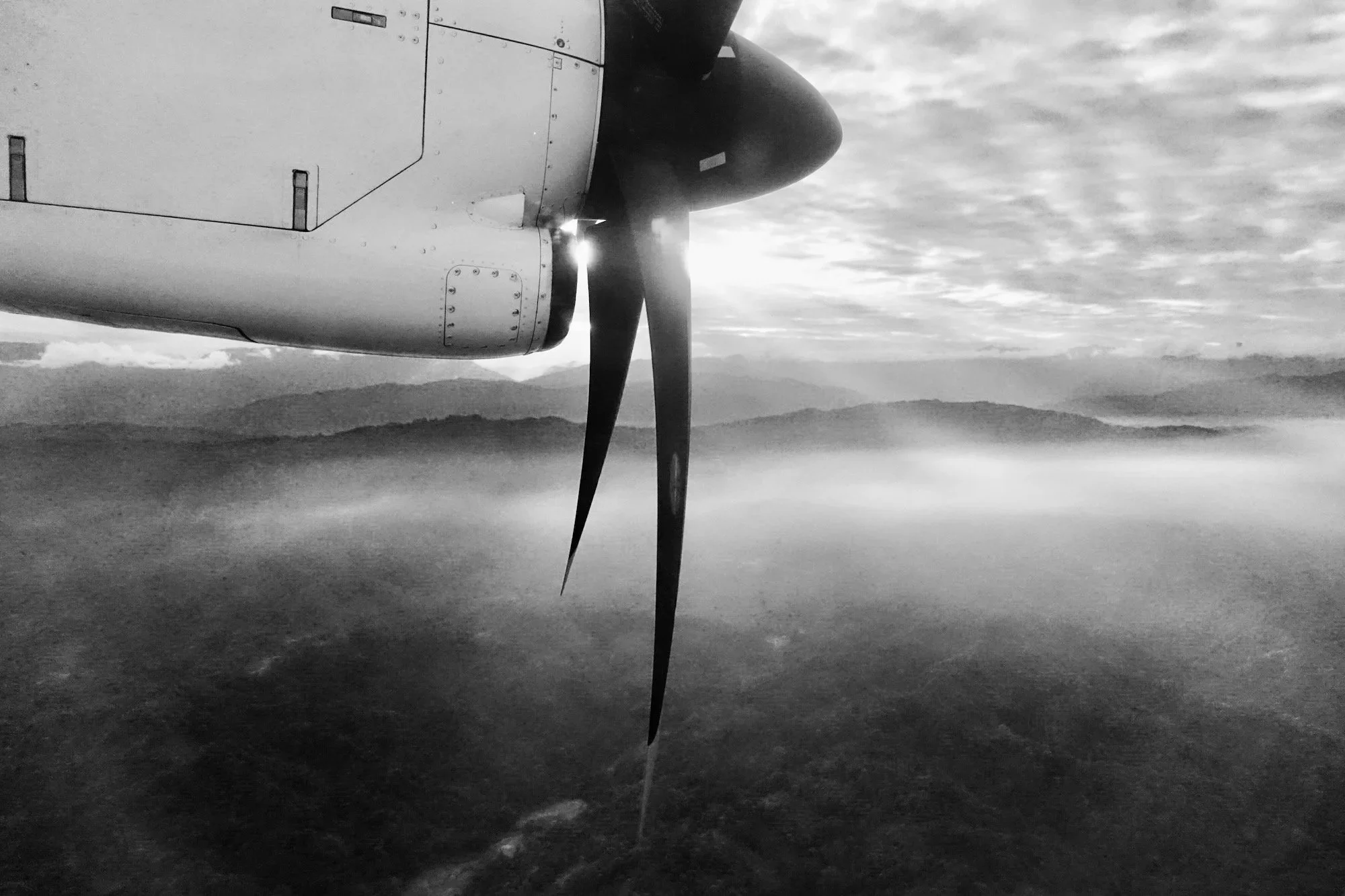
We had three stops to make as we worked our way up the length of Myanmar. At each, the airport got smaller, the runway more bumpy, and the embarking passengers less conventionally attired, at least from my parochial point of view. The last leg took us over a vast expanse of densely forested mountains with not a house, field, or even a plume of smoke in sight. We then began our final descent, eventually rattling down onto the country’s most northerly airstrip at Putao. It’s a place that most of Myanmar’s own nationals never visit, let alone foreigners, but that is the gateway to one of its best-kept secrets – its very own slice of the Himalayan mountain range.
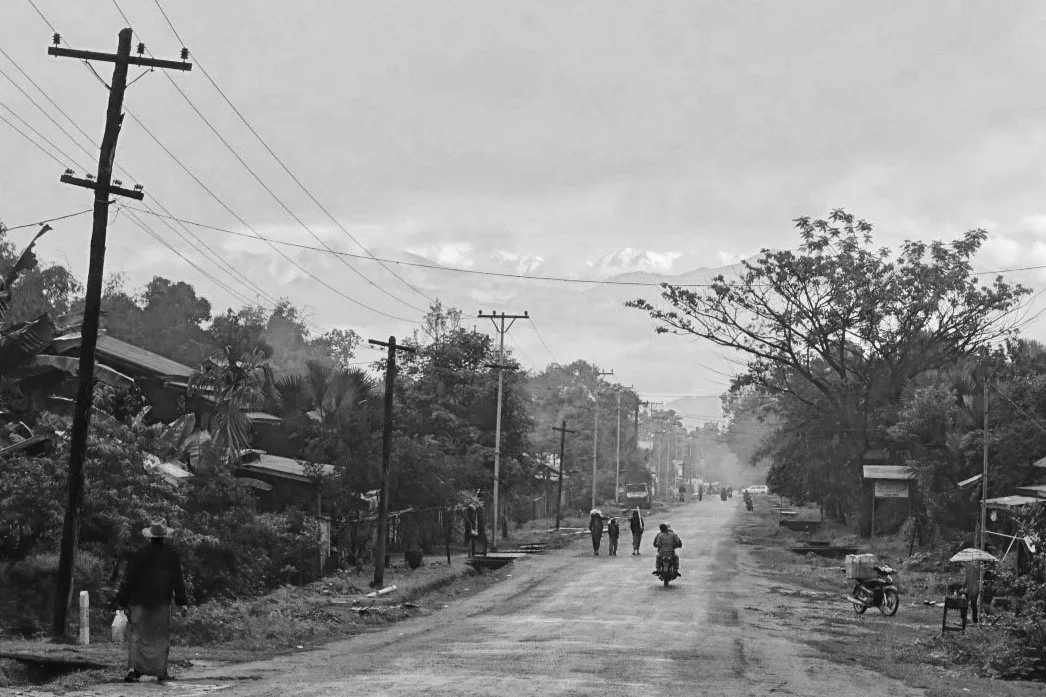
Putao is more village than town: a single paved street, a handful of open-fronted shops, and one small school. Forested hills nibble at its outskirts and beyond them, looking like a painted backdrop from an old film, a line of jagged snow-capped peaks reach for the heavens.
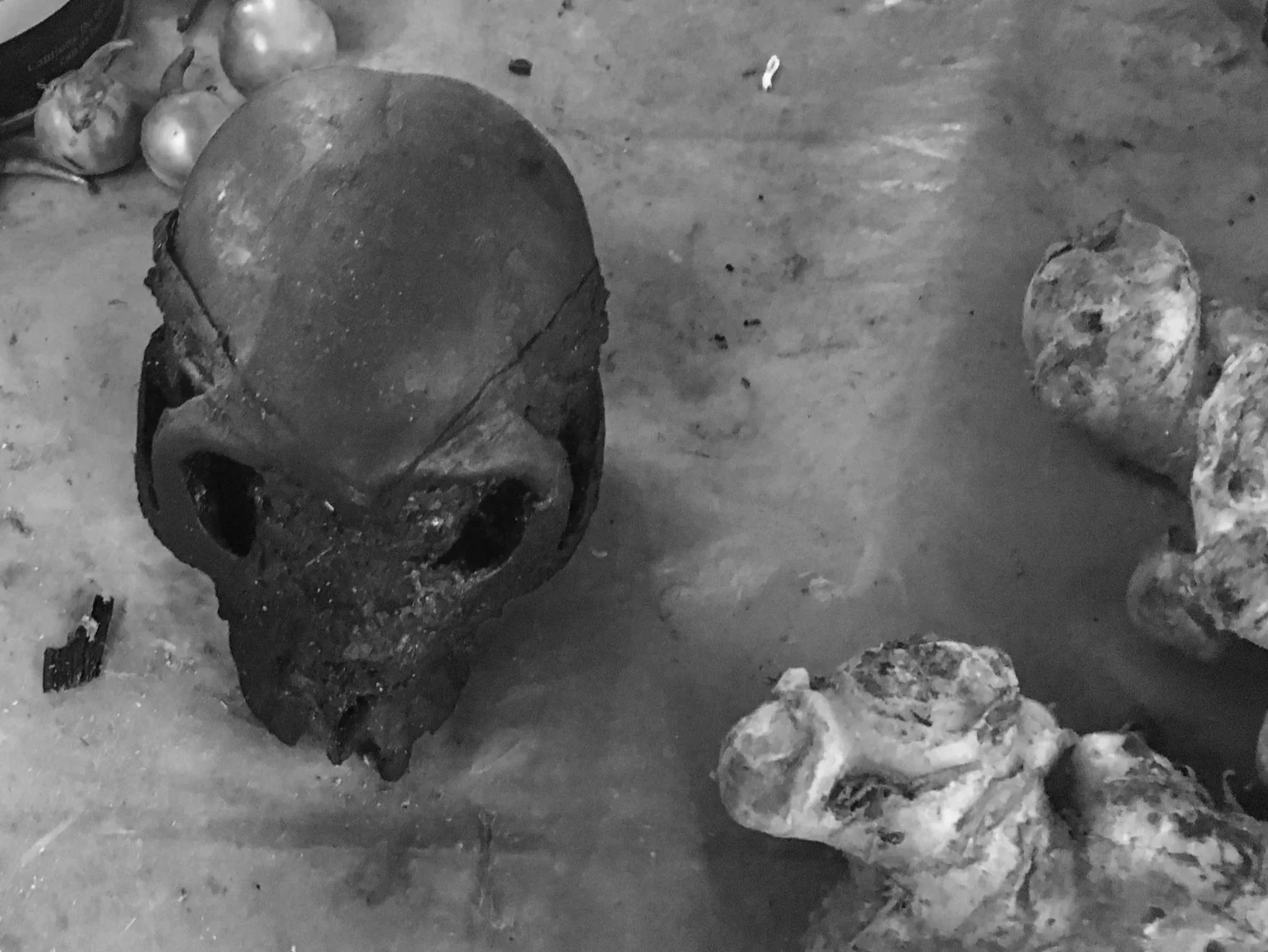
Its remoteness makes it a self-sufficient kind of place, a fact in evidence in the market where fresh herbs and ginger picked from garden plots nestle up against assorted bushmeat harvested with homemade crossbows and vintage rifles. I even came across the skull of a gibbon and was informed by the stall-holder that its brain makes an excellent cure for colds (albeit somewhat less portable than paracetamol).
That evening, I had the crackling fire at my small guesthouse all to myself. It wasn’t just the region’s remoteness that kept people away, but also the ongoing conflict between the Kachin Independence Army and the Myanmar military that had been simmering up here for decades. On account of the fragile security situation, movement was strictly controlled and foreigners such as myself were not allowed to venture beyond the outskirts of town. That meant I was going to have to be a little sneaky.
I was up before sunrise the next morning to meet my guide, Aung, who turned up in a battered old double-cab pick-up truck. I stowed my bag in the back and then squeezed myself down behind the front seats to stay out of sight of the military checkpoints that we’d have to pass to get out of town. This proved to be both a very effective concealment strategy and a particularly uncomfortable way to travel over unpaved roads.
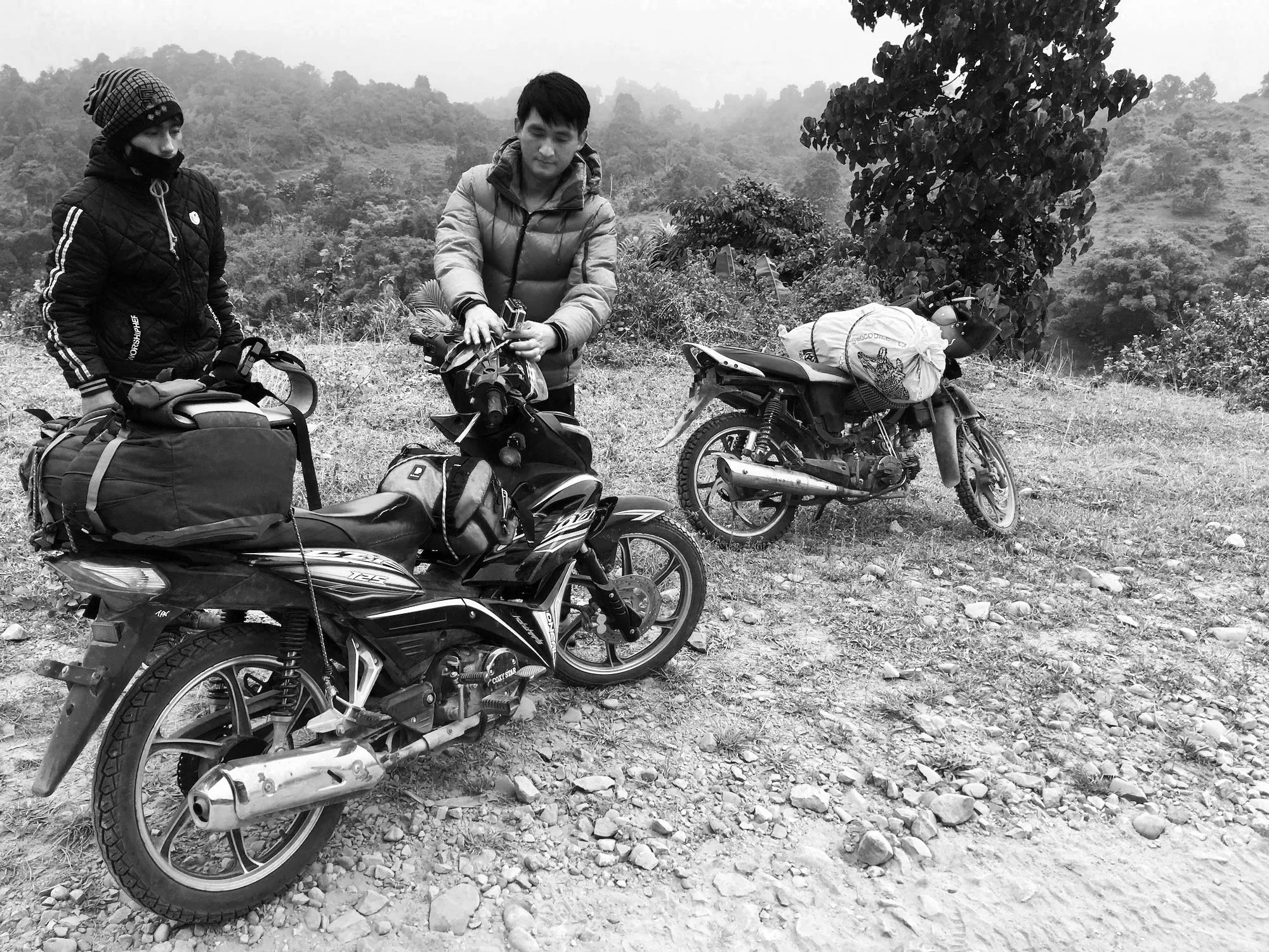
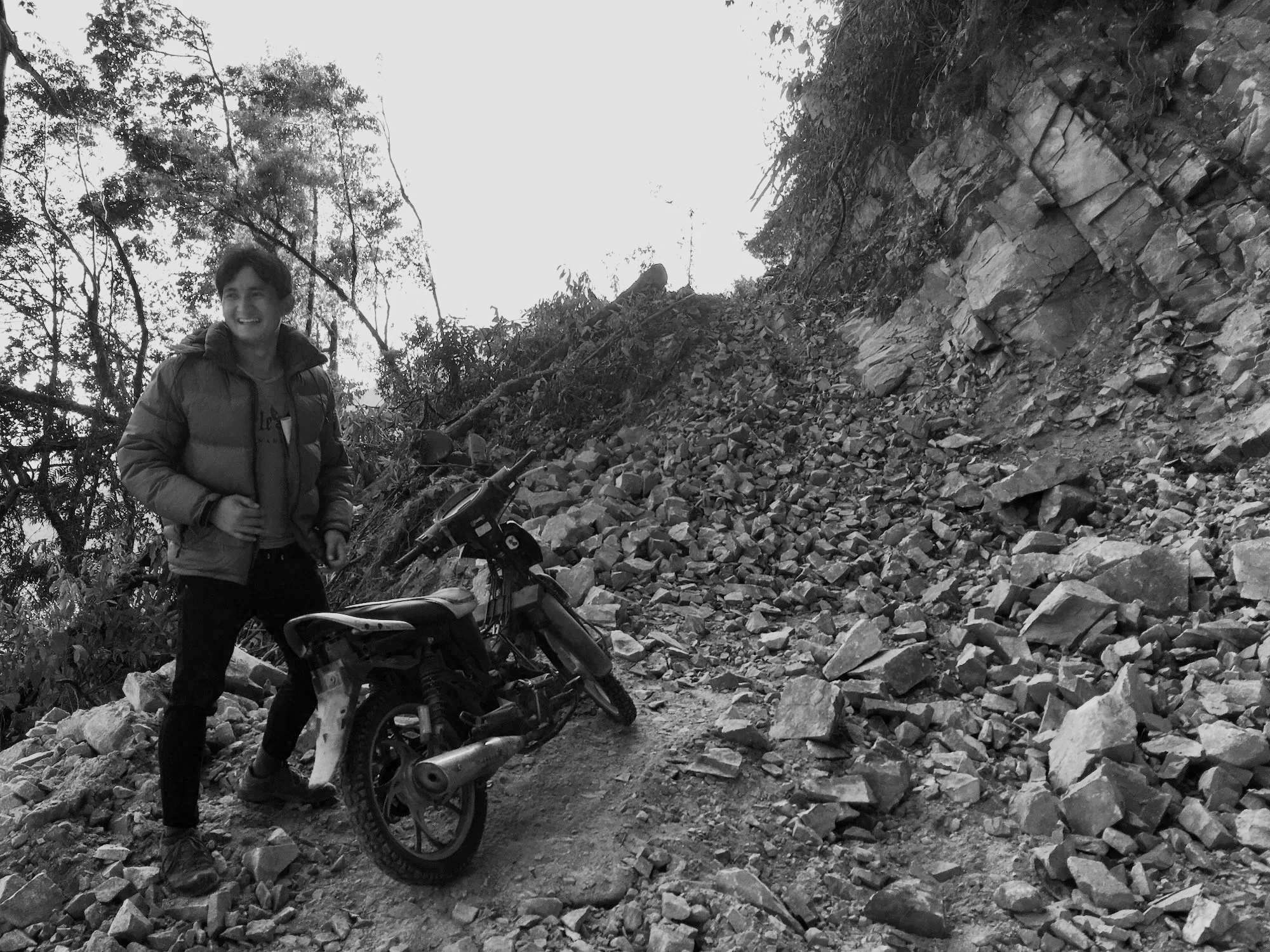
An hour later, with the final checkpoint now well behind us, we pulled up under a large banyan tree where a friend of Aung’s was keeping watch over two motorcycles. They were not much to look at, just battered old 125cc Chinese Honda knock-offs, but they were simple and easy to repair, which was what really mattered. We bungeed our bags onto the back seats and set off up a deserted dirt road into hills swathed in thick jungle, still glistening and dripping following a recent rain shower.
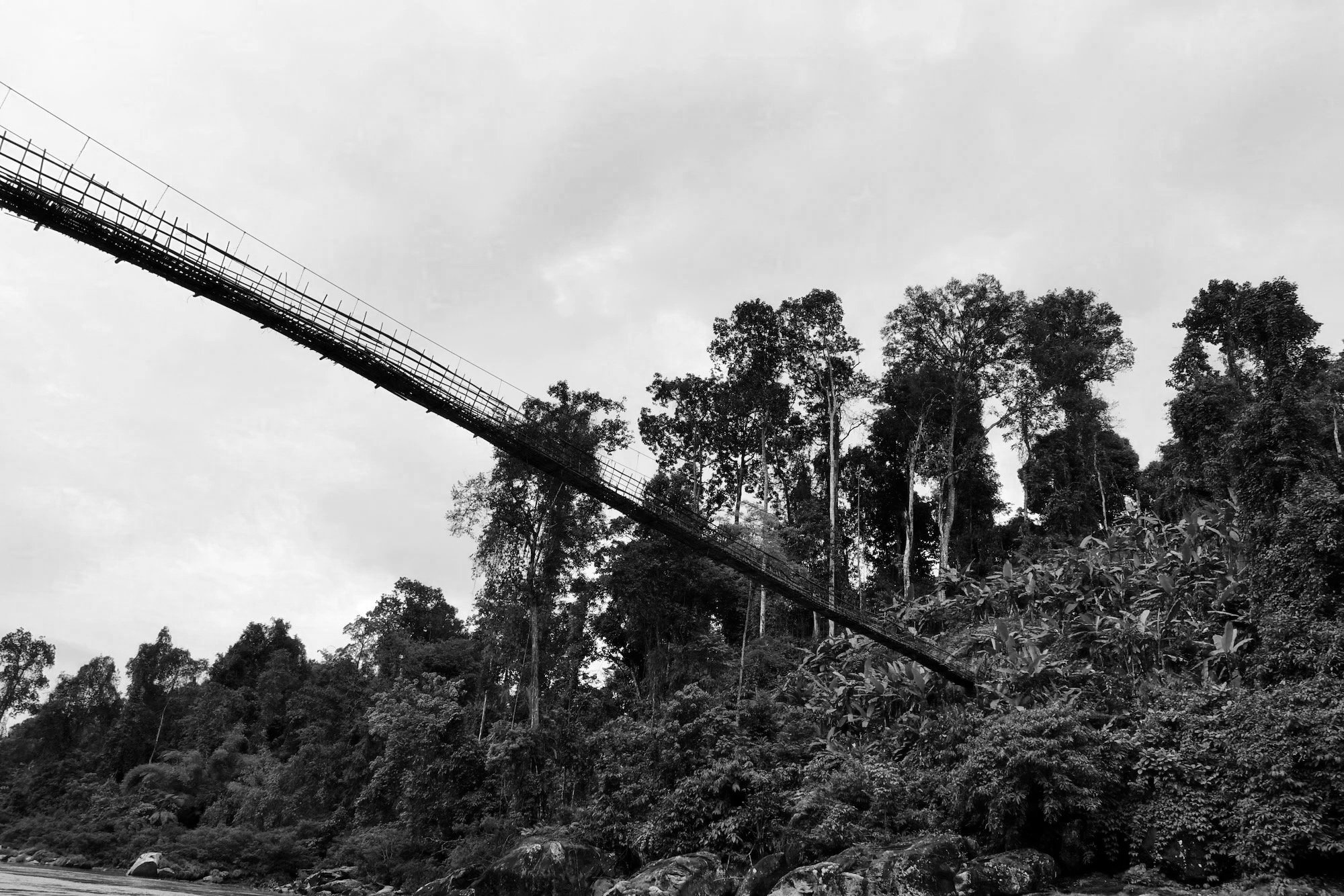
The further we got from Putao, the more frequent as well as the more basic the river crossings became. What were initially sturdy metal bridges morphed into wooden structures that then steadily deteriorated until all that was left was a couple of precarious planks thrown across the water, and then finally nothing at all. That meant shifting down into first gear, gunning the throttle, and then just going for it, praying that the water was neither too deep nor hiding any large rocks that would throw you off. Our bikes started to grow on me though as they managed these crossings with aplomb. As an added bonus, when we came to a landslide blocking the road, their compact size and weight meant that we could simply just dismount and carry them right over.
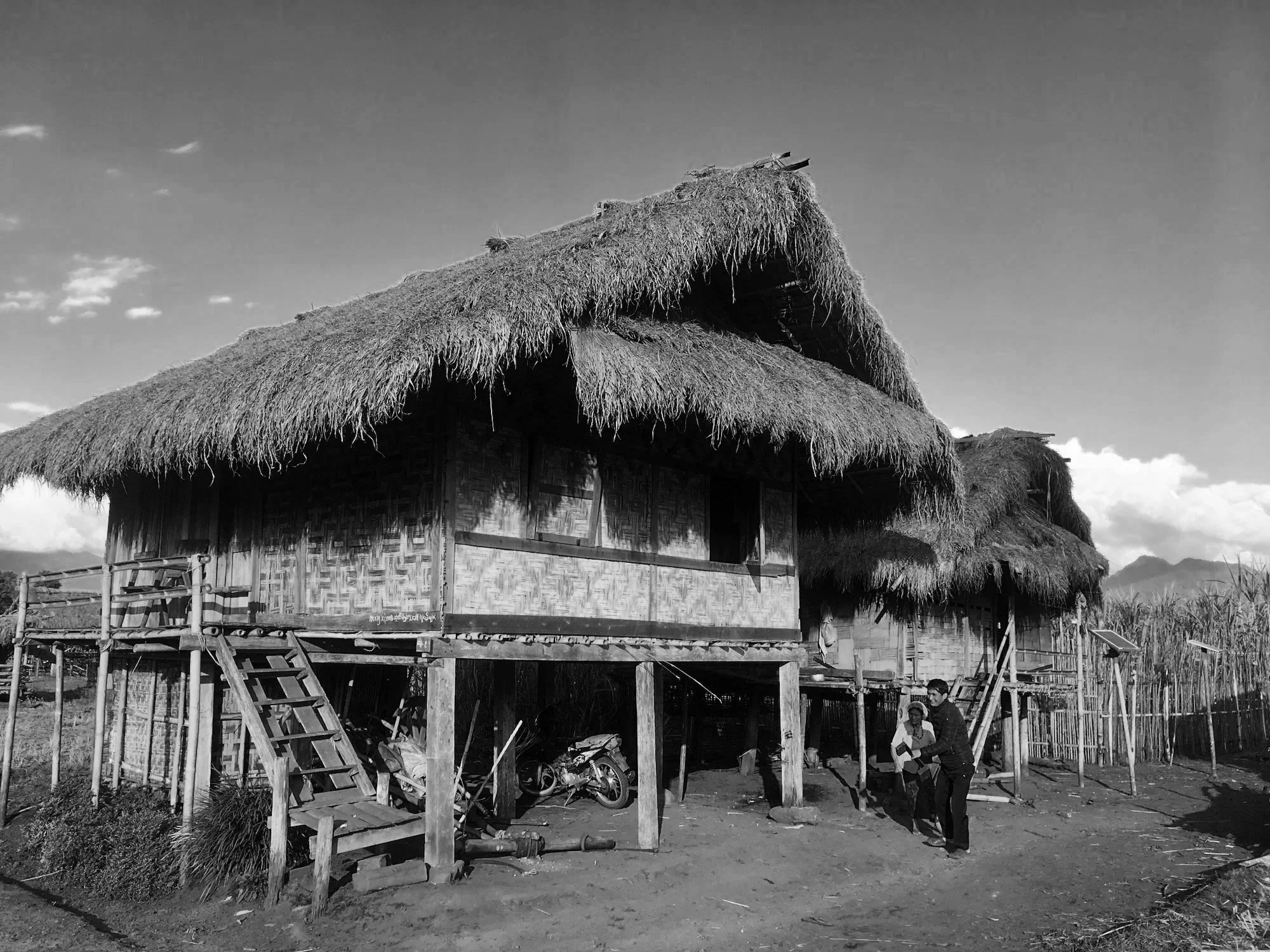
Villages were now few and far between, appearing maybe once an hour, a handful of wood and rattan houses on stilts with thatched roofs and, if we were lucky, a cosy little tea shop. Whenever we stopped, people came up and shook our hands, then asked me where I was heading and why. This was a question of particular interest in these parts, as distances and conditions make travel an ordeal to be undertaken only when strictly necessary. Once I got it across that the reason for my journey really was just simple curiosity and wanderlust, my interlocutors shook their heads and laughed benevolently at my evident lunacy.
In the mid-afternoon, we passed a small village with a difference, surrounded by a bamboo palisade with sharpened spikes sticking out at all angles. Aung informed me that this was an army outpost, home to just six soldiers, all of whom apparently hated it due to being far away from their homes in the lowlands, not speaking any of the local languages, and rarely leaving their compound out of fear for their lives.
That last reason seemed particularly incongruous in an area where the inhabitants were some of the most hospitable and friendly people I’d ever encountered. But, then again, I wasn’t the sole representative of a distant, oppressive regime. And one that, as far as I could see, provided no other public service or infrastructure beyond this mini-fortress of scared men and their guns.
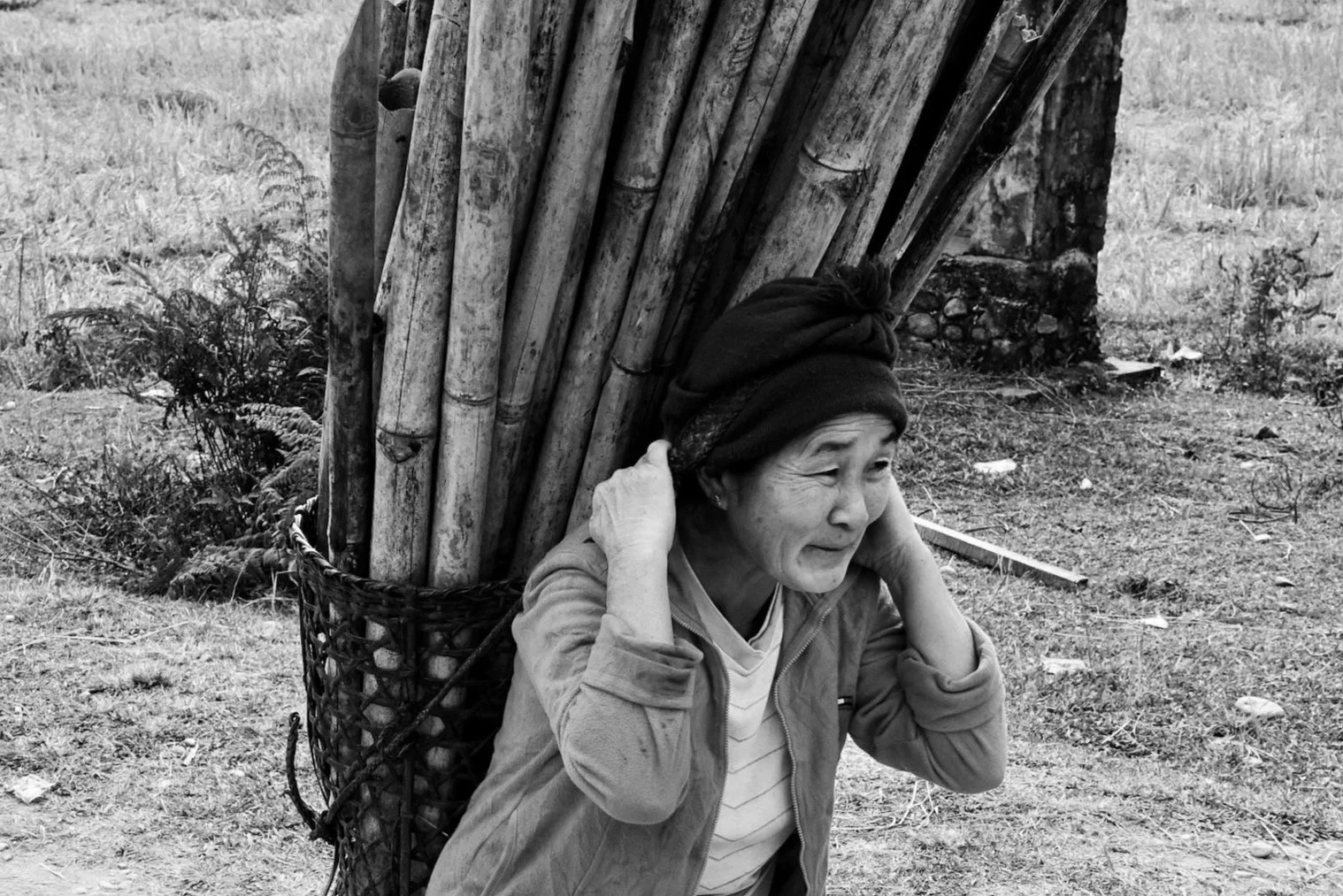
Aung told me that the majority of local people indeed favoured autonomy from the rest of the country. This was something that they had actually been promised over half a century ago - by none other than my fellow countrymen, the British.
At the start of the Second World War, Burma, as it was then known, was being ruled as a British colony. In 1942, when the Japanese invaded the country to enable them to reach India, the lowland Burmese made a pact with them. They promised to help turf out the Brits in return for Tokyo leaving Burma a free and independent country once they were done. But the ethnically non-Burmese, the people who lived up in these peripheral highlands of the country, wanted no part in any such arrangement. They instead promised to help the British officers on the ground to resist the Japanese advance in return for London guaranteeing independence for their respective regions after the war. A deal was duly done and hands were shaken.
The highlanders kept up their side of the bargain admirably, their knowledge of these wild lands and toughness as fighters proving pivotal in pushing the Japanese out. But the supposed English gentlemen failed to honour their own side of the deal when they quit the country after the war. Instead, they just inked a hasty handover agreement with the new Burmese government that made no mention of the promised independence for their highland allies. Now largely forgotten by the outside world, the latter continue their struggle to this day.
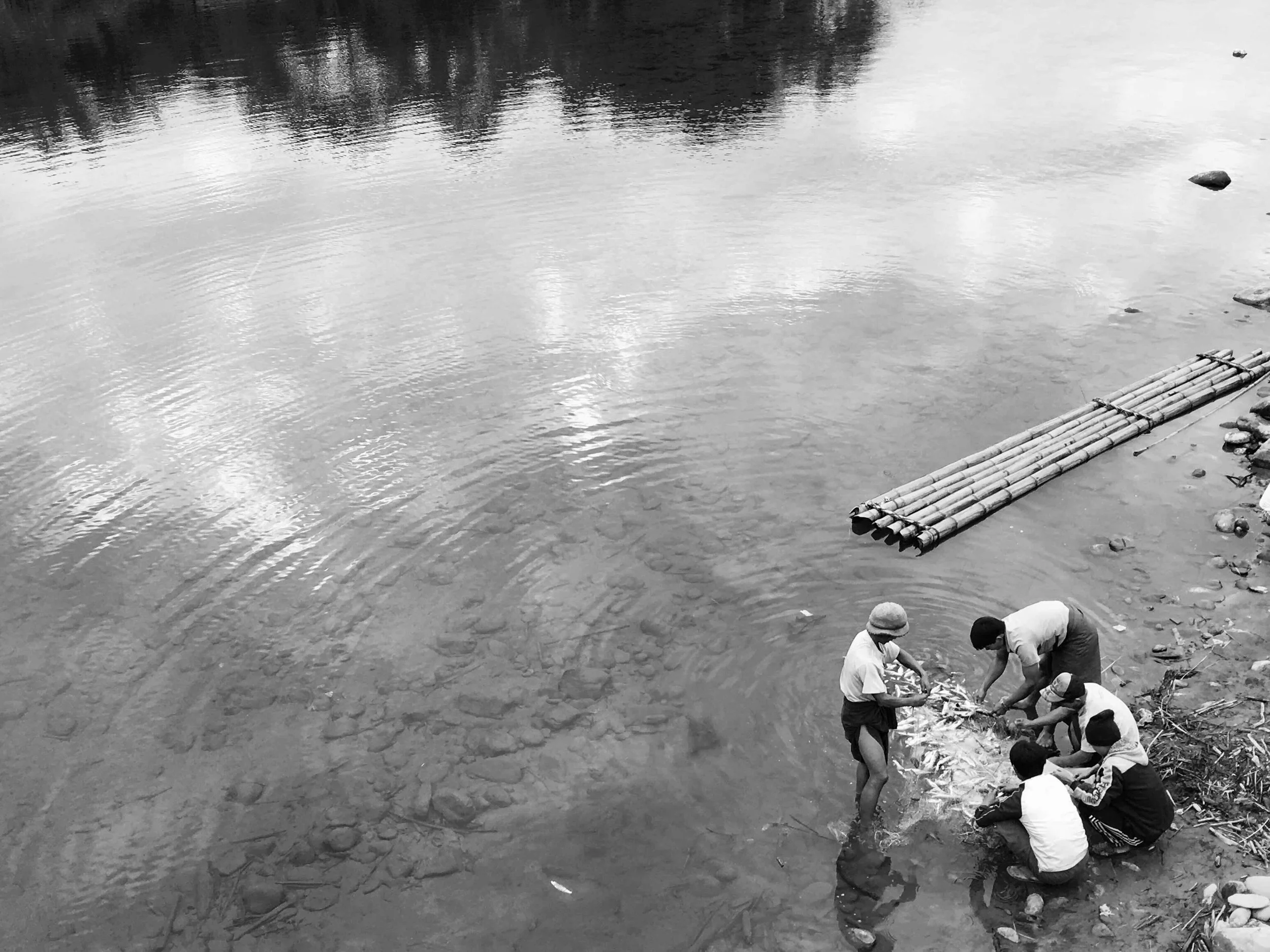
As the sun dipped behind the hills, we pulled up at a small hamlet sloping down to a wide river. There was a scattering of stilted dwellings, a couple of chicken and pig pens and a church. I followed Aung towards one of the houses and he introduced me to the local pastor, one Mr. Pung, an elderly but sprightly gentleman decked out in baggy, diamond-checked trousers, an “Adidos” sweater, and a yellow woollen bobble hat. He greeted me warmly and then invited us both in for tea. A fire pit was crackling in the middle of the room and I took a perch on a low stool next to it, sipping a welcome hot brew while assorted villagers appeared at the doorway to chat with the pastor, whether seeking spiritual counsel or just to ogle the strange outsider, I wasn’t quite sure.
But it turned out that I wasn’t the only foreigner in the room. On the wall in the corner, I was intrigued to spot a small, faded black-and-white photo of an elderly Caucasian gentleman in spectacles. I pointed to it and made a quizzical face to Mr. Pung, immediately receiving an enthusiastic clap in return, “Ah-hah! Yes, yes! Mr. Morse! Mr. Morse!”
Improbable as it might seem, I realised that I actually knew who he was talking about. Before setting out on this trip, I’d spent an idle Sunday afternoon browsing the shelves of a dusty old bookshop I’d come across in the backstreets of Yangon. Tucked away on its sagging shelves, I’d chanced upon a title that was simply too good to pass up - “Exodus to a Hidden Valley”. It was the remarkable life story of this very man.
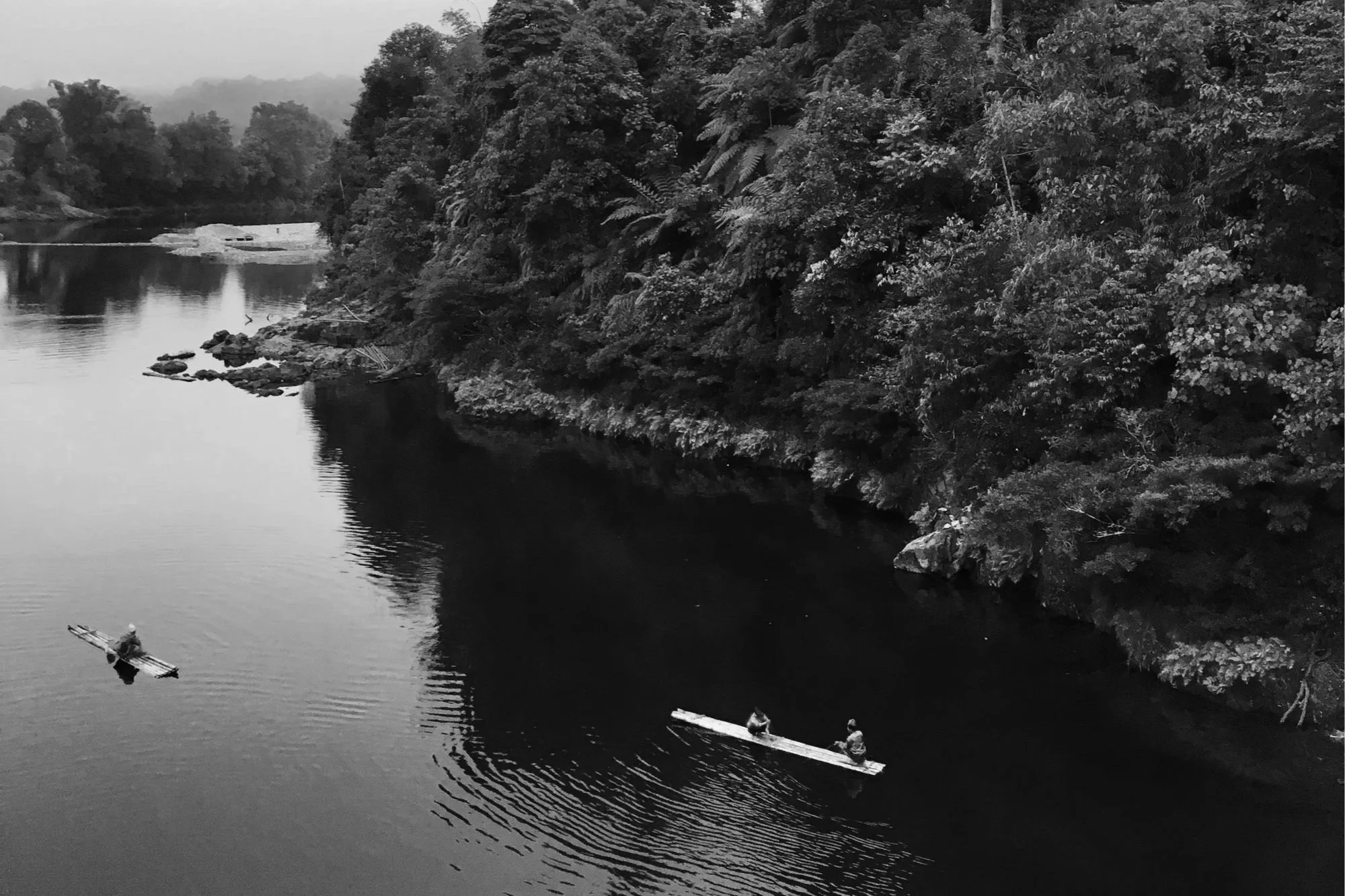
Mr. Morse was an American missionary who had come to Putao along with his family in the 1950s after some extensive proselytising in China. Back then, there was not a single Christian in this part of northern Burma. Today, around ninety per cent of the local people are churchgoing, a transformation that is largely due to this one man.
But when his preaching was at its zenith in the early 1960s, a military coup down in Yangon installed the first in a long line of dictators. These were not the kind of people who were amenable to outside influences and they promptly decreed that all foreigners in the country were now personae non gratae. Orders for Mr. Morse’s deportation duly reached Putao.
But rather than packing up his bags and heading to the airstrip, he instead organised over a thousand of his local followers to accompany him on a quite remarkable exodus. Splitting into small groups, they followed animal trails out of town and into the jungle, then regrouped and hacked their way through dense, inhospitable terrain for several weeks until, confident of having finally evaded pursuit by the army, they descended into a remote valley in the vast uninhabited no-man’s land near the Indian border.
Here, they cleared the bush, planted crops, and built houses and, naturally, a church. They even salvaged parts of crashed wartime aircraft that they found, using them to make a waterwheel to generate electricity. In short, they established their very own civilisation from scratch in the middle of the wilderness. Unbelievably, they then continued to live there with zero contact with the outside world for the next six years, an astonishing testament to both bushcraft and community cooperation. Eventually, however, the army tracked them down, captured Mr. Morse, and subsequently expelled him from the country. But his legacy and influence were not so easily booted out, as the many village churches and crosses hanging around necks today bear witness to.
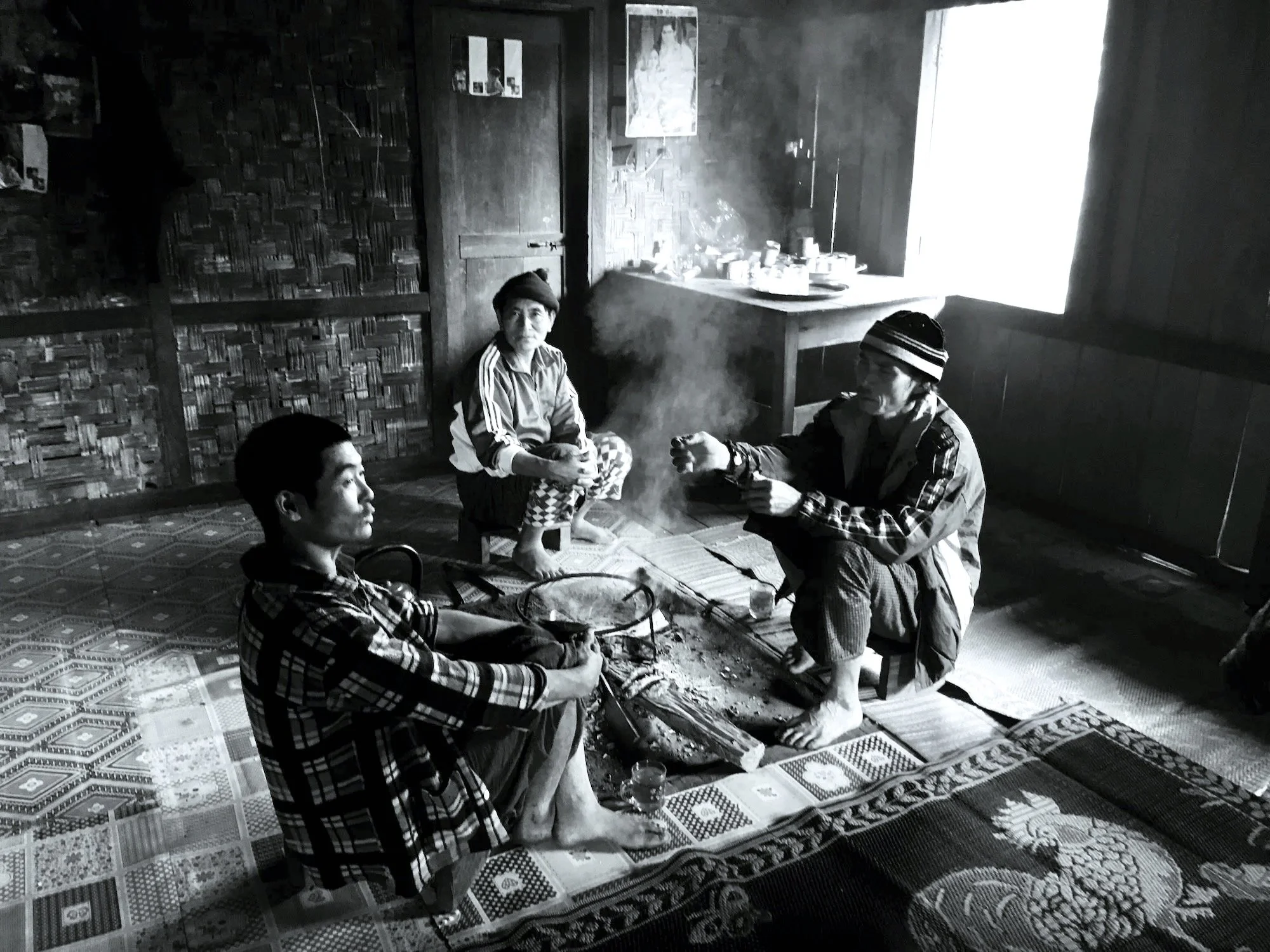
A couple of beaming, elderly ladies arrived bearing generous bowls of rice, potatoes and fish. The pastor, Aung and a few other villagers joined me around the fire and we ate together with our hands as the sounds of crickets and cicadas drifted in through the open wooden shutters. Up here, life was a communal affair, and after dinner yet more villagers joined us for tea and the lighting up of long, dark green cheroots to the sound of contented sighs. Thoroughly exhausted by this point, I made my excuses and retired to a small adjoining room where I laid out my sleeping bag, leaving the villagers to smoke and chat with Aung. Beyond the reach of TV and newspapers, let alone the internet, he acted as a kind of one-man social media feed, passing on eagerly awaited news of the outside world.
Over the next few days, we penetrated further into the mountains on ever narrower tracks, skidding over loose rock and mud and getting uncomfortably close to far too many cliff edges. The more remote we got, the more helpless I found myself, my urban skillset increasingly irrelevant to daily survival. Before long, I was totally dependent on Aung for securing such essentials as shelter, warmth, food and water. A man who in the city would be dismissed as a country bumpkin, unable to operate a mobile phone or an ATM, was here revealed as a true master of the skills that really mattered. An additional one of these was his linguistic abilities, which allowed him to tap into the local grapevine in every small village, gleaning invaluable intelligence on the conditions up ahead.
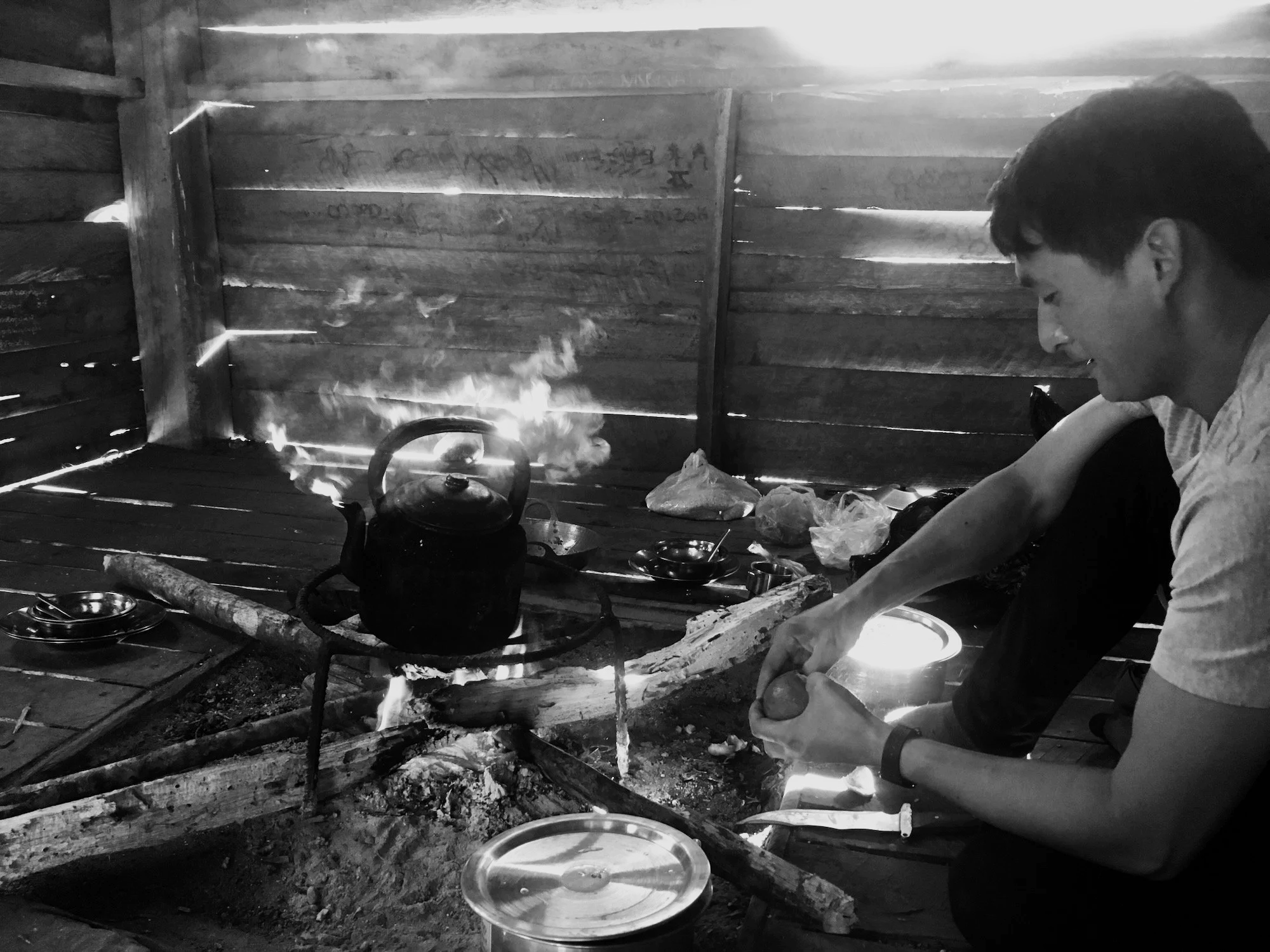
Finally, the track got so rocky and steep that further progress on two wheels became impossible. Aung told me that the next semblance of anything like a road would take a week’s walk to reach, by which time one would be on the other side of the Chinese border. So we left the bikes propped up against a cliff wall and continued on foot up to a ridge for a panoramic view over chains of grey and green mountains, leading off to India in one direction and China in the other. We could just make out a small village in the far distance, probably half a day’s walk away. Its smattering of wooden houses and handful of fields occupied the only areas of flat ground in the vicinity. The rest was all jungle-cloaked mountainside with not a man-made object in sight. But, if you did go hacking your way through it, you might just find some rather surprising remnants of civilisation hidden in its depths.
That was because Mr. Morse was not the first person to have plunged into this wilderness on a mission to escape from an army in hot pursuit. Although the British and their allies had eventually prevailed over the Japanese during the Second World War, this victory came only after they were first all but pushed out of the country. It was a rout that went down as one of the most rapid collapses in British military history, and their longest ever retreat. The principal cause was complacency - the top brass were convinced that it would be impossible for any army to cross the dense, mountainous jungles on Burma’s eastern fringes, and therefore that any Japanese attempt to invade would have to come either by sea or up along the coast road, both of which they already had well covered. But the Japanese had no such reservations about their own abilities, having already gained substantial experience in tropical warfare. They used this to hack their way right through that totally impregnable jungle in a matter of weeks, showing up on the outskirts of Yangon before the Brits knew what was happening.
With escape by air or sea suddenly impossible, over half a million colonial civilians now fled westwards on foot along jungle tracks to try to reach India, some 1,500 kilometres to the west. Given how daunting a prospect this must have been, a minority understandably chose to instead head north to escape the advancing Japanese, eventually ending up in Putao. This small town became the last bastion of British control, with the refugees hoping it would stay that way thanks to its extreme isolation. But the Japanese soon started to close in while the food started to run out, leaving them no choice but to attempt what they had been trying so hard to avoid in the first place: walking out to India. This was now an even tougher prospect however, as the much more northerly starting point meant crossing wilder country, denser jungle and higher mountains. Added to which the monsoon had now set in, turning what were already tenuous jungle tracks into rivers of waist-deep mud.
Fearing they might never return to Burma, many of the refugees now streaming out of Putao carried with them as much as they could, including treasured possessions that acted as psychological crutches in a world that they’d seen turned completely upside down. But the comfort these provided decreased rapidly with each additional gruelling day of carrying them on the trail and so, one-by-one, they were jettisoned in the jungle.
And that is the reason why, over the years, local hunters have on occasion returned from forays into the bush bearing not only their usual bounties of boar and deer, but also candelabras, gramophones, sets of family silver and even, on one memorable occasion, an entire piano that was found half-buried in the undergrowth.
As for the refugees, many sadly didn’t make it, ill-adapted as they were to travelling through such terrain even once unencumbered by their family heirlooms. But a number of them were finally saved by a fellow countryman, a British tea planter by the name of Gyles Mackrell, who had an estate just over the border in India. He was a man who had been living in these parts long enough to know that local problems required local solutions. On hearing of his compatriots’ fate, he quickly ascertained that there was only one realistic way out and so saddled up a group of his elephants and headed off into the jungle to rescue as many of them as he could.
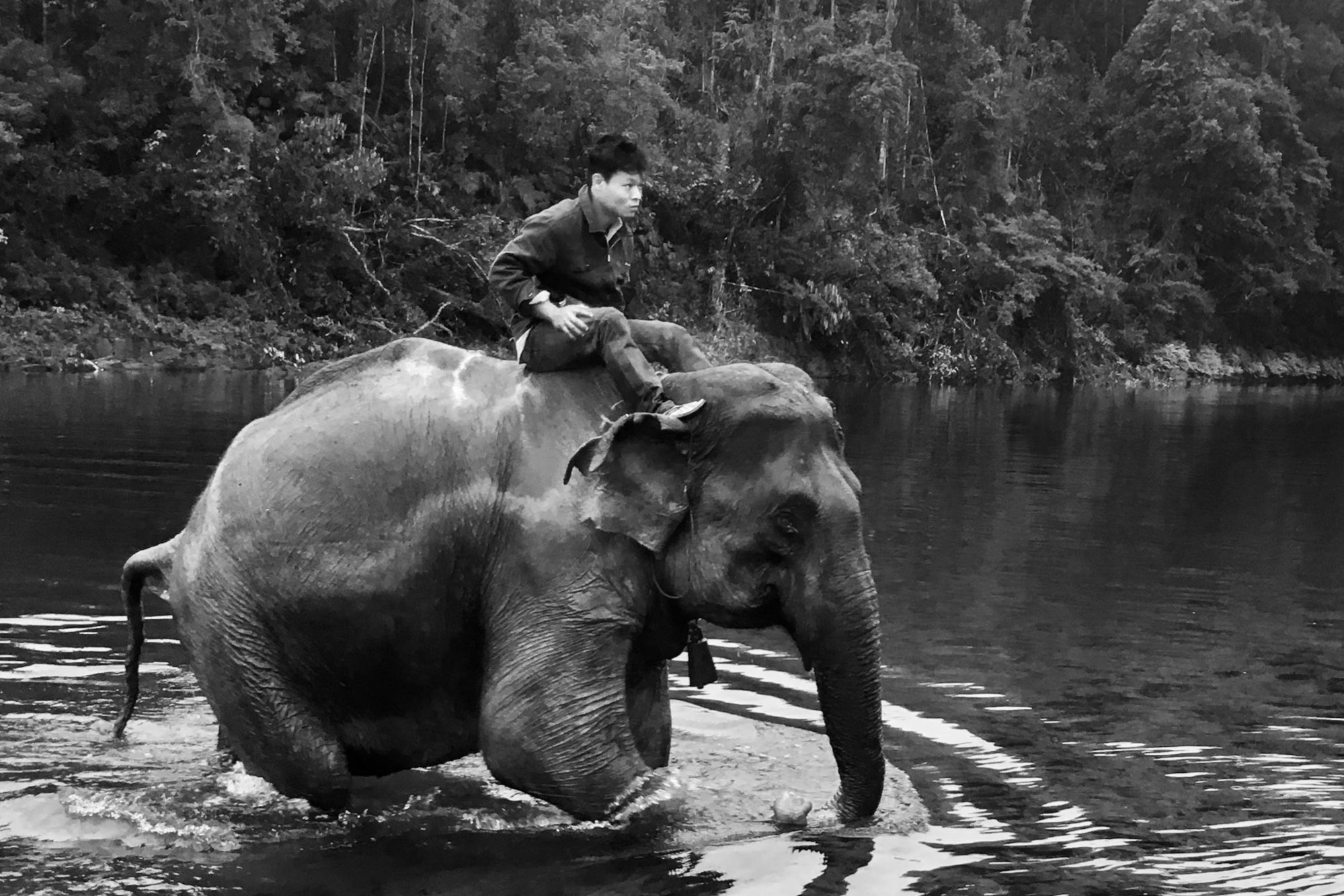
Thankfully, unlike Mr. Morse or those poor refugees, I had the luxury of returning back the way I had come without having to fear for my life. Or so I had thought. On the second day of our long slog back, we passed the night at a small makeshift logging camp where elephants were used to move freshly felled trees. As we sat sipping tea around the fire with the mahouts that evening, they told us that there had been recent fighting just a day’s walk away. This was a little too close for comfort.
We moved as fast as we could from then on, finally slipping back into Putao undetected two days later. The next morning though, the front desk at my guesthouse informed me that the army were now coming round to check for foreigners on a daily basis. Four soldiers duly turned up after breakfast and I braced myself for, at best, a stern dressing down.
But it seemed they had no inkling of what I’d been up to as they instead apologised to me, explaining that, due to “ongoing operations”, all foreigners were now banned from Putao with immediate effect. So, just like Mr. Morse, I was persona non grata and they were here to escort me out.
I packed up my things, bid goodbye to Aung, and then climbed into their camouflaged truck for the short ride to the airport. There, fighter bombers sat ready on the runway and jeeps trundled along the taxiways.
Mine was an easy exit, unlike the local resistance fighters who would now be retreating deeper into the jungle and hunkering down. I shuddered to think about what the people I’d met over the past couple of weeks would face in the coming days.
As we took off and then climbed higher, the military hardware shrank down to mere toys, before being completely consumed by the surrounding mountains and jungle. As I looked out over the seemingly endless ridges and reflected on my recent travels with Aung, I realised that the real power actually lay with this wild, untamed nature – and by extension with the people who, like him, had learned to live in harmony with it and with one another. Humility, cooperation and local knowledge had always won the day up here: they were what had rescued the refugees, routed the Japanese, and kept Mr. Morse’s followers alive for six whole years. They had also done a damn fine job of preserving my own skin over the last couple of weeks. That all seemed to bode rather well for my new friends, and not so well for their pursuers.